

Once the domain of dermatologists and sterile clinics, microneedling has moved onto bathroom shelves. Beauty brands are now bottling the logic of the procedure, using micro-spicules that promise similar skin benefits, without the downtime. These tiny, marine-derived crystals are designed to create micro-channels in the skin’s surface, enhancing product absorption, improving texture, and nudging the skin into renewal mode.
But is the sting worth the science? And can a topical product really recreate what’s traditionally done with needles and numbing cream? I spoke to dermatologists while doing a trial of my own.
What are micro-spicules?
“Micro-spicules are microscopic needle-like structures that create micro-channels in the skin,” explains Dr Prachi Bodkhe, dermatologist at Envi Aesthetics. “They help to increase the absorption of active ingredients and stimulate collagen production by initiating a controlled inflammatory response.”
While they sound futuristic, these spicules aren’t a new innovation. They’ve been extracted from marine sponges like Haliclona sp. for decades in traditional medicine and their sharp, porous texture has found renewed popularity in skincare. “Unlike dermarollers or microneedling devices that pierce the skin, spicules are more like microscopic projections that exfoliate and stimulate,” says Dr Bodkhe. “It’s important to follow up with calming agents and hydrating ingredients after use, as the skin barrier has been temporarily disrupted.”
Are they safe?
That depends on who you ask and how you use them. “Micro-spicules are primarily physical exfoliants. They can be abrasive and may cause irritation or microtears in sensitive skin,” cautions Dr Madhuri Agarwal, founder of Yavana Aesthetics Clinic. “They can also lead to a compromised barrier function and inflammation if overused.”
She draws a parallel to aggressive scrubs from the early 2000s: “These products remind me of the physical exfoliants we used in the past, those gritty walnut shell scrubs that caused more harm than good. We moved away from them for a reason.”
While many brands market spicule-based serums as needle-free alternatives to microneedling, Dr Agarwal is sceptical. “Micro-spicules cannot and should not replace professional microneedling,” she says firmly. “The delivery mechanism and the actives used in a dermatologist’s clinic are far more controlled and effective.”
My experience with micro-spicule skincare
The first time I used a micro-spicule product, I didn’t even know what it was. My sister had passed along a trending serum—bought on impulse—and I followed it up with a copper peptide serum, hoping to maximise absorption. The prickly sensation was novel at first. A few days later, my rosacea-prone skin was in full rebellion. It flared up, angry and inflamed, and I shelved the product. Bad timing, I told myself. It was summer, my skin was already irritated, and I hadn’t consulted a derm.
Source link
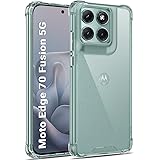
TheGiftKart Crystal Clear Back Cover Case for Motorola Moto Edge 70 Fusion 5G | 360 Degree Protection | Shock Proof Design | Transparent Back Case Cover (PC & TPU, Transparent Bumper)
₹299.00 (as of September 22, 2026 06:23 GMT +05:30 - More infoProduct prices and availability are accurate as of the date/time indicated and are subject to change. Any price and availability information displayed on [relevant Amazon Site(s), as applicable] at the time of purchase will apply to the purchase of this product.)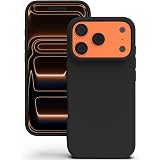
YATWIN Silicone Case for iPhone 17 Pro, Soft-Touch, Shockproof, DustProof, Antiskid Phone Cover for Apple iPhone 17 Pro - Black
₹312.00 (as of September 22, 2026 06:23 GMT +05:30 - More infoProduct prices and availability are accurate as of the date/time indicated and are subject to change. Any price and availability information displayed on [relevant Amazon Site(s), as applicable] at the time of purchase will apply to the purchase of this product.)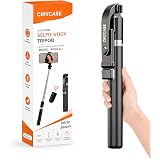
Upgraded 2026 67Inch/ 170cm Long Selfie Stick Tripod with Wireless Remote, Long Tripod Stand with 360° Rotation, Compatible with Mobile/GoPro for Travel,Suitable for iPhone and All Smartphones
₹499.00 (as of September 22, 2026 06:23 GMT +05:30 - More infoProduct prices and availability are accurate as of the date/time indicated and are subject to change. Any price and availability information displayed on [relevant Amazon Site(s), as applicable] at the time of purchase will apply to the purchase of this product.)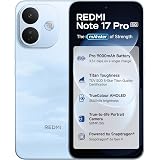
Redmi Note 17 Pro 5G (Cloud Blue, 8GB RAM, 256GB ROM) | 9000mAh Battery + 67W TurboCharge* | 6.83" 12-bit TrueColour AMOLED | No.1 Care Plan | Snapdragon 6s Gen 4 | 50MP OIS Camera | Victus 2 | IP69K
₹39,999.00 (as of September 22, 2026 06:23 GMT +05:30 - More infoProduct prices and availability are accurate as of the date/time indicated and are subject to change. Any price and availability information displayed on [relevant Amazon Site(s), as applicable] at the time of purchase will apply to the purchase of this product.)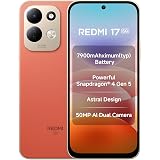
Redmi 17 5G (Eternal Orange, 6GB RAM, 128GB ROM) | 7900mAh Battery + 45W Fast Charging | 6.9" 120Hz Adaptive Display | Snapdragon 4 Gen 5 | 50MP Dual AI Camera | Corning® Gorilla® Glass 7i | IP64
₹23,999.00 (as of September 22, 2026 06:23 GMT +05:30 - More infoProduct prices and availability are accurate as of the date/time indicated and are subject to change. Any price and availability information displayed on [relevant Amazon Site(s), as applicable] at the time of purchase will apply to the purchase of this product.)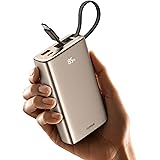
Noise Newly Launched India's 1st Power Bank 20000mAh 45W Ultra Fast Charging: Built-in Type-C Cable, Digital Battery%, Advanced Safety, Metallic Finish, Triple Output, BIS Certified (Titanium)
₹2,799.00 (as of September 22, 2026 06:23 GMT +05:30 - More infoProduct prices and availability are accurate as of the date/time indicated and are subject to change. Any price and availability information displayed on [relevant Amazon Site(s), as applicable] at the time of purchase will apply to the purchase of this product.)
Portronics 80W Dual Output Fast Car Charger with Type-C PD & USB, LED Indicator, Charging Adapter Compatible with Cars for iPhone & Android Smartphone, Smartwatch, Earbud, Power Bank (Black)
₹470.00 (as of September 22, 2026 06:23 GMT +05:30 - More infoProduct prices and availability are accurate as of the date/time indicated and are subject to change. Any price and availability information displayed on [relevant Amazon Site(s), as applicable] at the time of purchase will apply to the purchase of this product.)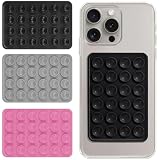
Humble® Suction Phone Sticker Silicone Grip, Sticky Phone Mount, Hands-Free Mobile Holder, Reusable Anti-Slip Stand for Mirror, Glass, Tile, Shower, All Smartphones for Selfies & Videos (Pack of 3)
₹149.00 (as of September 22, 2026 06:23 GMT +05:30 - More infoProduct prices and availability are accurate as of the date/time indicated and are subject to change. Any price and availability information displayed on [relevant Amazon Site(s), as applicable] at the time of purchase will apply to the purchase of this product.)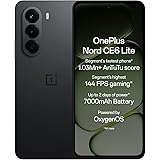
OnePlus Nord CE6 Lite | 8GB+128GB | Hyper Black | Segment's Fastest Dimensity 7400 Apex Processor | 7000mAh Battery | Segment's Highest 144Hz Refresh Rate | 50MP Main Camera, 4K Video Recording
₹30,999.00 (as of September 22, 2026 06:23 GMT +05:30 - More infoProduct prices and availability are accurate as of the date/time indicated and are subject to change. Any price and availability information displayed on [relevant Amazon Site(s), as applicable] at the time of purchase will apply to the purchase of this product.)