
That’s when it hit me—protein, even in its “cleanest” form, is counterproductive if you’re consuming more than your system can handle.
#3 Some protein powders contain additives and artificial sweeteners
Protein powders come in a tempting array of flavours: chocolate, vanilla, strawberry and more. But behind the sweet, sippable convenience is a less palatable truth. Many of these blends rely on additives and artificial sweeteners to improve taste and texture. My favourite was a strawberry-chocolate mix—sweet, creamy and easy to drink.
The downside is that these ingredients can disrupt the gut microbiome. Artificial sweeteners like aspartame and acesulfame K have been linked to an imbalance in gut bacteria, which may affect everything from digestion to immunity. In the editor’s case, it seemed to worsen his hay fever, which became so severe he could no longer step out without medication.
Some sweeteners have also raised concerns for their potential carcinogenic effects, although the research remains inconclusive.
Other ways to hit your protein goals
After giving up protein powder almost immediately, the discomfort disappeared. The bloating eased. The persistent, gassy heaviness lifted. There was only one catch: post-workout recovery. Without the usual protein shake, my sessions felt slightly less effective. Muscles that had been pushed hard weren’t getting the nutrients they needed to repair and rebuild.
That’s where amino acids came in. With smaller molecules and better bioavailability, they offered a gentler, more efficient alternative.
Amino acids are the fundamental building blocks of protein—think of them as links in a chain. When taken in isolated form, such as EAA (essential amino acids) or BCAA (branched-chain amino acids), they’re easier to digest and less likely to disrupt the gut. For those with sensitive stomachs or low stomach acid, they can be a more forgiving supplement, supporting recovery without the side effects.
This isn’t a blanket argument against protein. If your digestion is robust and your system processes it well, there’s no reason to avoid it. But the wellness world often highlights only the benefits, ignoring the fact that even a “healthy” supplement can be problematic for some. If you’re experiencing ongoing digestive issues and haven’t considered your protein intake, this might be the missing piece.
Editor: Misaki Kawatsu
This article first appeared on Vogue.co.jp
Also read:
This is the best time to eat protein, according to experts
What a high-protein diet is doing to your gut health
Why broccoli is one of the healthiest vegetables you can eat
Source link
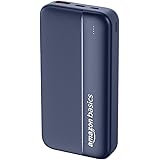
Amazon Basics 20000 mAh Power Bank | 22.5W Fast Charging | Dual Output & Input | Charge 3 Devices Simultaneously | for Smartphones, TWS Earbuds, Speakers, Tablets (Dark Blue)
₹1,176.00 (as of September 24, 2026 18:54 GMT +05:30 - More infoProduct prices and availability are accurate as of the date/time indicated and are subject to change. Any price and availability information displayed on [relevant Amazon Site(s), as applicable] at the time of purchase will apply to the purchase of this product.)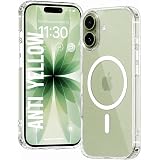
DIZORO Crystal Clear Magnetic Compatible with iPhone 17 Case with Anti-Yellow Anti-Scratch Shockproof Transparent Cover
₹298.00 (as of September 24, 2026 18:54 GMT +05:30 - More infoProduct prices and availability are accurate as of the date/time indicated and are subject to change. Any price and availability information displayed on [relevant Amazon Site(s), as applicable] at the time of purchase will apply to the purchase of this product.)
Ambrane Magsafe Wireless 10000Mah Fast Charging USB Type-C Input Power Bank, Strong Magnet, 22.5W Output For iPhone 12 & Above, Android & Other Qi Enabled Devices + Magnetic Ring (Aerosync Snap, Blue)
₹1,549.00 (as of September 24, 2026 18:54 GMT +05:30 - More infoProduct prices and availability are accurate as of the date/time indicated and are subject to change. Any price and availability information displayed on [relevant Amazon Site(s), as applicable] at the time of purchase will apply to the purchase of this product.)
OpenTech® Military-Grade Gorilla Tempered Glass for iPhone 15 / iPhone 16 with Edge to Edge Coverage - Case Friendly Screen Protector, Anti Scratch and Bubble free installation kit
₹298.00 (as of September 24, 2026 18:54 GMT +05:30 - More infoProduct prices and availability are accurate as of the date/time indicated and are subject to change. Any price and availability information displayed on [relevant Amazon Site(s), as applicable] at the time of purchase will apply to the purchase of this product.)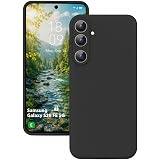
KACA Silicone Back Case for Samsung Galaxy S26 FE, Soft-Touch, Shockproof Phone Back Cover for Samsung Galaxy S26 FE (Black)
₹299.00 (as of September 24, 2026 18:54 GMT +05:30 - More infoProduct prices and availability are accurate as of the date/time indicated and are subject to change. Any price and availability information displayed on [relevant Amazon Site(s), as applicable] at the time of purchase will apply to the purchase of this product.)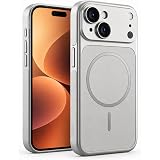
HANIRY Compatible for iPhone 15 Cover Case Scratch Resistant Premium Glass Finish Slim Fit Protective Back Cover Shockproof Camera Guard Magsafe iPhone 15 Cover (Silver,)
₹293.02 (as of September 24, 2026 18:54 GMT +05:30 - More infoProduct prices and availability are accurate as of the date/time indicated and are subject to change. Any price and availability information displayed on [relevant Amazon Site(s), as applicable] at the time of purchase will apply to the purchase of this product.)
TheGiftKart Crystal Clear Back Cover Case for Motorola Moto Edge 70 Fusion 5G | 360 Degree Protection | Shock Proof Design | Transparent Back Case Cover (PC & TPU, Transparent Bumper)
₹299.00 (as of September 24, 2026 18:54 GMT +05:30 - More infoProduct prices and availability are accurate as of the date/time indicated and are subject to change. Any price and availability information displayed on [relevant Amazon Site(s), as applicable] at the time of purchase will apply to the purchase of this product.)
Portronics Bridge Y USB 3.0 to Type C OTG Adaptor, 10Gbps High Speed Data Transfer, Thunderbolt to USB Adapter, Compatible for All Type C Devices, Smartphone, Laptops, Tablets, Chargers, MacBook
₹119.00 (as of September 24, 2026 18:54 GMT +05:30 - More infoProduct prices and availability are accurate as of the date/time indicated and are subject to change. Any price and availability information displayed on [relevant Amazon Site(s), as applicable] at the time of purchase will apply to the purchase of this product.)
Portronics 80W Dual Output Fast Car Charger with Type-C PD & USB, LED Indicator, Charging Adapter Compatible with Cars for iPhone & Android Smartphone, Smartwatch, Earbud, Power Bank (Black)
₹470.00 (as of September 24, 2026 18:54 GMT +05:30 - More infoProduct prices and availability are accurate as of the date/time indicated and are subject to change. Any price and availability information displayed on [relevant Amazon Site(s), as applicable] at the time of purchase will apply to the purchase of this product.)