The night before I left Bengaluru to start my job in Mumbai, I hovered by the corner cupboard in my living room, pretending I had a reason to be there instead of in bed. Prying open the doors, I reached for the photo albums stacked inside. I didn’t need to see them, I’ve memorised every image. But it’s a habit I can’t shake, like checking my phone when I wake up.
The photos, clicked by my father, capture my family at our candid best: me rolling on the floor of a department store mid-tantrum. My amma in the kitchen, wearing a blue nightie and sporting her famous murrikyal (Malayalam for ‘fierce glare’, one I have inherited), wielding an appai (utensil) in protest against being photographed. My brother perched on a hospital bed, holding up a freshly fractured arm from some misadventure. Walls, chairs, his offices, my plushies—my father feverishly documented the mundane fragments of life no one else would think to hold on to.
Back then, the pictures seemed unremarkable, a waste of film, but now I cherish them. Those photos weren’t about perfection or preservation; they were about perspective. My Appa’s perspective. My father passed away suddenly when I was 15, right after my board examinations. He was—and continues to be—one of my favourite people. It took me 15 years to realise the profound power his photographs held, building a bridge between the two planes of existence that separate us.
At first, I clung to the images he took because they were more than memories; they were proof. Proof that he had been here, that we had shared those moments. But his absence in them haunted me. A few months before he passed, he said something I’ll never forget: “I took all these photos, yet no one took a single one of me.”
At the time, I didn’t grasp the weight of those words. Later, desperately searching for his face in old albums, I felt their sting sharp and deep.
Appa’s self-portraits, often taken on his work trips abroad, were unintentionally comedic—close-ups of his nostrils and moustache, his face slightly out of focus. Armed with a boxy, black Canon point-and-shoot camera, he was the OG selfie king before selfies were a thing. The results weren’t perfect, but they were unabashedly him. After my father passed away, my brother and I studied the photos he took on his trip to Leh, his final journey. We searched the snow-capped mountains, the halted trucks and silent vistas over and over for clues, for a message he might have left us.
Source link
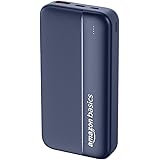
Amazon Basics 20000 mAh Power Bank | 22.5W Fast Charging | Dual Output & Input | Charge 3 Devices Simultaneously | for Smartphones, TWS Earbuds, Speakers, Tablets (Dark Blue)
₹1,172.00 (as of September 20, 2026 06:13 GMT +05:30 - More infoProduct prices and availability are accurate as of the date/time indicated and are subject to change. Any price and availability information displayed on [relevant Amazon Site(s), as applicable] at the time of purchase will apply to the purchase of this product.)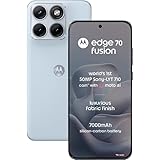
Motorola Edge 70 Fusion (Pantone Country Air, 8GB RAM, 128GB Storage) | 6.78" 1.5K 144Hz AMOLED Display | Snapdragon 7s Gen 4 | 50MP Sony LYTIA 710 OIS | 32MP Selfie | 7000mAh | 68W TurboPower |
₹29,470.00 (as of September 20, 2026 06:13 GMT +05:30 - More infoProduct prices and availability are accurate as of the date/time indicated and are subject to change. Any price and availability information displayed on [relevant Amazon Site(s), as applicable] at the time of purchase will apply to the purchase of this product.)
Portronics Bridge Y USB 3.0 to Type C OTG Adaptor, 10Gbps High Speed Data Transfer, Thunderbolt to USB Adapter, Compatible for All Type C Devices, Smartphone, Laptops, Tablets, Chargers, MacBook
₹129.00 (as of September 20, 2026 06:13 GMT +05:30 - More infoProduct prices and availability are accurate as of the date/time indicated and are subject to change. Any price and availability information displayed on [relevant Amazon Site(s), as applicable] at the time of purchase will apply to the purchase of this product.)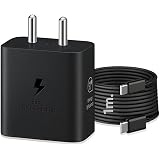
45W GaN Type C Super Fast Charger with Type-C Cable | Compatible with Samsung Galaxy S/A/M/F/Z Series,S26/S25/S24/S23/S22/S21/Fe/Plus/Ultra/Fold/Flip & More,BIS Certified Charger
₹579.00 (as of September 20, 2026 06:13 GMT +05:30 - More infoProduct prices and availability are accurate as of the date/time indicated and are subject to change. Any price and availability information displayed on [relevant Amazon Site(s), as applicable] at the time of purchase will apply to the purchase of this product.)
iQOO Z11 Lite 44W 5G (Solar Flame, 4GB RAM, 64GB Storage)
₹17,499.00 (as of September 20, 2026 06:13 GMT +05:30 - More infoProduct prices and availability are accurate as of the date/time indicated and are subject to change. Any price and availability information displayed on [relevant Amazon Site(s), as applicable] at the time of purchase will apply to the purchase of this product.)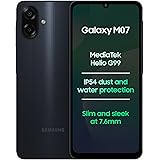
Samsung Galaxy M07 Mobile (Black, 4GB RAM, 64GB Storage) | MediaTek Helio G99 | AnTuTu 624K | IP54| 50MP Camera | 7.6mm Slim | 5000mAh Battery | 25W Fast Charging | 6 Gen OS Upgrades | Without Charger
₹11,999.00 (as of September 20, 2026 06:13 GMT +05:30 - More infoProduct prices and availability are accurate as of the date/time indicated and are subject to change. Any price and availability information displayed on [relevant Amazon Site(s), as applicable] at the time of purchase will apply to the purchase of this product.)
iPhone Charger Adapter 20W Lightning Cable Combo (MFi-Certified) Compatible with iPhone 14/14Plus/14Pro/14 Pro max13/13 Pro/13 Pro max/12/12 Pro/11/X/X
₹699.00 (as of September 20, 2026 06:13 GMT +05:30 - More infoProduct prices and availability are accurate as of the date/time indicated and are subject to change. Any price and availability information displayed on [relevant Amazon Site(s), as applicable] at the time of purchase will apply to the purchase of this product.)
Mothca Premium Curved UV Tempered Glass Screen Protector for Moto Edge 70 Fusion | HD Clear | Full Screen Coverage (Pack of 1)
₹284.00 (as of September 20, 2026 06:13 GMT +05:30 - More infoProduct prices and availability are accurate as of the date/time indicated and are subject to change. Any price and availability information displayed on [relevant Amazon Site(s), as applicable] at the time of purchase will apply to the purchase of this product.)
Nokia All-new 105 Single Sim Keypad Phone with Built-in Phone Pay app, Long-Lasting Battery, Wireless FM Radio| 1 Year Replacement Guarantee | Charcoal
₹1,249.00 (as of September 20, 2026 06:13 GMT +05:30 - More infoProduct prices and availability are accurate as of the date/time indicated and are subject to change. Any price and availability information displayed on [relevant Amazon Site(s), as applicable] at the time of purchase will apply to the purchase of this product.)