

It started with a rosacea flare that refused to go quietly. The kind that made even gentle skincare feel harsh. A friend mentioned thermal water, but I wasn’t convinced. I broke up with retinoids. Took a sabbatical from vitamin C. Even my favourite sunscreen stopped playing nice.
That’s when my dermatologist handed me a can. “Spray this. Nothing else,” she said. Somewhere between the second and third spritz, I understood why French women swear by this stuff. Most products ask for patience, for trust. This one didn’t. It didn’t need me to believe. It just worked.
The cult of the can
In France, thermal water isn’t just a mist. It’s a ritual. The kind of thing grandmothers pass down to granddaughters. You’ll find it in every pharmacy, fridge, and handbag—used post-wax, post-workout and maybe even post-breakup. It isn’t trend-driven or algorithm-approved. It’s survived decades of changing skincare dogma.
According to Dr Prachi Bodkhe, dermatologist at Envi Aesthetics, “Thermal water has anti-inflammatory properties due to minerals like calcium, magnesium, and selenium absorbed geothermally from rock beds. It’s especially beneficial when the skin is inflamed or the barrier is compromised—after lasers, peels, microneedling or in conditions like rosacea and eczema.”
What makes it different from micellar water or trending hypochlorous sprays? “Micellar water is more cleansing and hypochlorous sprays have antibacterial action. Thermal water mists are about calming and strengthening.”
The skin barrier’s friend
This becomes especially important when your skin is compromised. “After lasers, peels or microneedling, the top layer of skin is fresh and extremely sensitive,” explains Dr Bodkhe. “Using thermal water in these cases accelerates healing, reduces inflammation and prevents infection.” It’s also beneficial during flare-ups of eczema, rosacea or contact dermatitis—any moment when your skin feels hot, flushed and on the edge.
Dr Madhuri Agarwal, founder of Yavana Skin & Hair Clinic, adds, “There is research to show the effectiveness of thermal water in reducing skin sensitivity and irritation. Many of the French brands have a history of skin therapy in conditions such as eczema, rosacea and post-procedure skin.”
In fact, some thermal waters are classified as medicinal in France, backed by studies from their source towns. “Each has its own unique composition,” she notes, “and those properties have been carefully preserved and standardised in many products.”
The culture and history
Once upon a time, the idea of paying good money for a can of French water sounded absurd. Especially the kind sourced from sleepy European spa towns with names like Avène, La Roche-Posay or Vichy. But in France, the reverence for thermal springs runs deeper than skincare. Since Roman times, people have travelled to ‘cure towns’ like Vichy and Avène for therapeutic soaks, often prescribed by doctors for everything from arthritis to burns. These aren’t just rustic wellness retreats; they’re medical establishments, supported by national healthcare.
Source link
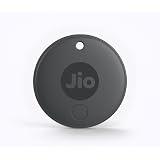
JioTag (2nd Generation) (Grey) - Android or iOS Compatible IP64 Rated Worldwide Item Finder for Keys, Wallets, Luggage, Gadgets and More |1+1 Year Battery | No SIM Needed
₹1,249.00 (as of September 24, 2026 18:54 GMT +05:30 - More infoProduct prices and availability are accurate as of the date/time indicated and are subject to change. Any price and availability information displayed on [relevant Amazon Site(s), as applicable] at the time of purchase will apply to the purchase of this product.)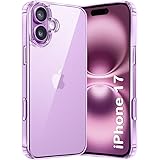
TheGiftKart Ultra-Hybrid Crystal Clear Back Case Cover for iPhone 17 | Shockproof Design | Hard Back Cover Case for iPhone 17 (PC & TPU, Transparent)
₹299.00 (as of September 24, 2026 18:54 GMT +05:30 - More infoProduct prices and availability are accurate as of the date/time indicated and are subject to change. Any price and availability information displayed on [relevant Amazon Site(s), as applicable] at the time of purchase will apply to the purchase of this product.)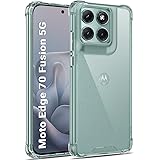
TheGiftKart Crystal Clear Back Cover Case for Motorola Moto Edge 70 Fusion 5G | 360 Degree Protection | Shock Proof Design | Transparent Back Case Cover (PC & TPU, Transparent Bumper)
₹299.00 (as of September 24, 2026 18:54 GMT +05:30 - More infoProduct prices and availability are accurate as of the date/time indicated and are subject to change. Any price and availability information displayed on [relevant Amazon Site(s), as applicable] at the time of purchase will apply to the purchase of this product.)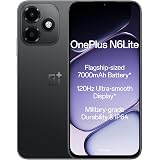
OnePlus N6 Lite | 4GB+64GB | Midnight Hype | Massive 7000mAh Long-Lasting Battery | 120Hz Ultra Smooth Display | 36 Months Fast & Smooth | Military-Grade Durability
₹16,999.00 (as of September 24, 2026 18:54 GMT +05:30 - More infoProduct prices and availability are accurate as of the date/time indicated and are subject to change. Any price and availability information displayed on [relevant Amazon Site(s), as applicable] at the time of purchase will apply to the purchase of this product.)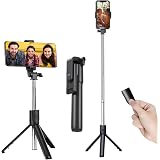
Kratos Selfie Stick with Tripod Stand,Extendable Selfie Stick for Mobile Phone with Bluetooth Remote,3-in-1 Multifunctional Design for Redmi/Xiaomi/OnePlus/Samsung/Oppo/Vivo and All Phones
₹189.00 (as of September 24, 2026 18:54 GMT +05:30 - More infoProduct prices and availability are accurate as of the date/time indicated and are subject to change. Any price and availability information displayed on [relevant Amazon Site(s), as applicable] at the time of purchase will apply to the purchase of this product.)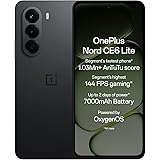
OnePlus Nord CE6 Lite | 8GB+128GB | Hyper Black | Segment's Fastest Dimensity 7400 Apex Processor | 7000mAh Battery | Segment's Highest 144Hz Refresh Rate | 50MP Main Camera, 4K Video Recording
₹30,999.00 (as of September 24, 2026 18:54 GMT +05:30 - More infoProduct prices and availability are accurate as of the date/time indicated and are subject to change. Any price and availability information displayed on [relevant Amazon Site(s), as applicable] at the time of purchase will apply to the purchase of this product.)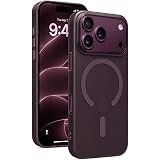
DIZORO® Matte Case for iPhone 18 Pro Compatible with MagSafe, Camera Lens Full Protection, Shockproof Translucent Frosted TPU Soft Phone Cover, Anti-Fingerprint (Burgundy)
₹349.00 (as of September 24, 2026 18:54 GMT +05:30 - More infoProduct prices and availability are accurate as of the date/time indicated and are subject to change. Any price and availability information displayed on [relevant Amazon Site(s), as applicable] at the time of purchase will apply to the purchase of this product.)
Portronics Bridge Y USB 3.0 to Type C OTG Adaptor, 10Gbps High Speed Data Transfer, Thunderbolt to USB Adapter, Compatible for All Type C Devices, Smartphone, Laptops, Tablets, Chargers, MacBook
₹119.00 (as of September 24, 2026 18:54 GMT +05:30 - More infoProduct prices and availability are accurate as of the date/time indicated and are subject to change. Any price and availability information displayed on [relevant Amazon Site(s), as applicable] at the time of purchase will apply to the purchase of this product.)
Nokia All-new 105 Single Sim Keypad Phone with Built-in Phone Pay app, Long-Lasting Battery, Wireless FM Radio| 1 Year Replacement Guarantee | Charcoal
₹1,249.00 (as of September 24, 2026 18:54 GMT +05:30 - More infoProduct prices and availability are accurate as of the date/time indicated and are subject to change. Any price and availability information displayed on [relevant Amazon Site(s), as applicable] at the time of purchase will apply to the purchase of this product.)