It has now been four months since I last went clubbing and found myself sulking at a table in a popular Bandra establishment. After about 15 minutes on the dance floor without alcohol, I realised I could no longer pretend to enjoy the techno music blasting through the speakers. My friends were nowhere to be found. The strangers around me seemed uninterested in striking up a conversation with anyone outside their clique. In the car with my friends on the way back, I bitterly remarked, “The next time I say I want to go clubbing, please just shake me hard and remind me of this night.”
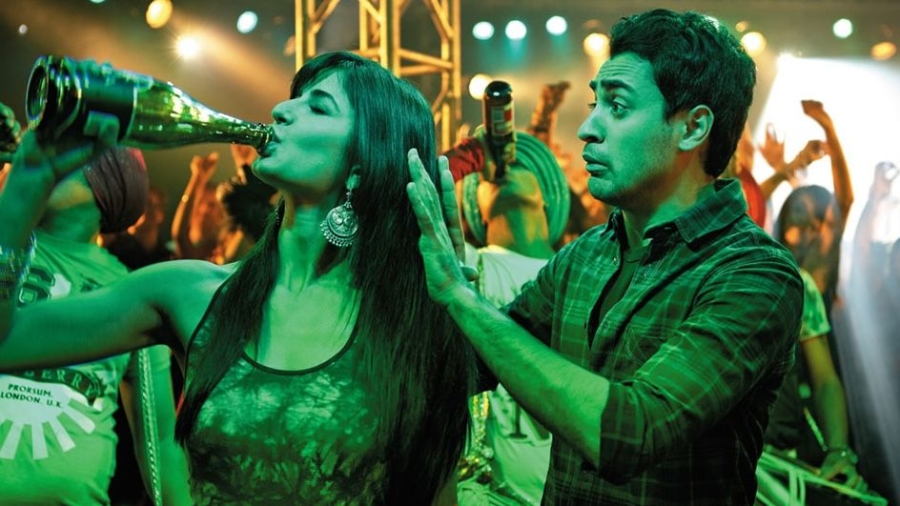
The issue was not just that one night. It was a series of nights spent in anticipation of going out, only to return home underwhelmed. As with all things, Bollywood was partly to blame for this disappointment. Growing up, I had envisioned clubbing in India to look like it was portrayed on screen: Deepika Padukone blissfully spinning under neon lights as ‘Uff Teri Adaa’ (Karthik Calling Karthik) plays, Katrina Kaif spraying and chugging champagne in ‘Choomantar’ (Mere Brother Ki Dulhan) or Kangana Ranaut climbing atop a bar counter and ripping her sweater off in ‘Hungama Ho Gaya’ (Queen). Unfortunately, other than the neon lights, these depictions of partying now seem to be either false or a relic of the past.
Based in Delhi, 25-year-old Vyoma Trivedi, an assistant marketing manager, admits that clubbing in the capital city can be a hit or miss. “There are nights when I have returned home before 11pm,” she laments. “If you go to a place where the music is mainly just techno or reel-famous songs, it causes people to just stand in a corner with their drinks.” 22-year-old Mridul Munjal, who lives in Gurugram and works in marketing and communications, agrees. “It feels like clubs in Delhi are trying to cater to everyone and in doing that, are ultimately catering to no one properly.”
In the last five years or so, electronic music, including techno, house and trance, has risen in popularity, going mainstream across metropolitan cities in India. In Mumbai, spaces like Bonobo, antiSOCIAL and Khar Social spotlight a genre of music that was once reserved for underground raves and parties. Unfortunately, this has also led to a lack of diversity in clubs’ sonic landscapes. With most venues sticking to a similar sound, partygoers are left with music they may not necessarily enjoy. “Take Bollywood, for example. If a film is commercially successful, you’ll only see that kind of film released over and over again,” explains rock musician Bann Chakraborty. “Similarly, if one DJ has done well with techno, every venue will play techno. Nobody wants to take a risk by giving a chance to a different-sounding performer or even genre.” In contrast, the 47-year-old recalls Zenzi, a lounge bar once described as ‘Bandra’s living room’, that closed its doors in 2011. “It was like our second home. We would finish work and just run there,” he enthuses, recalling how he was offered his first job in Mumbai by a stranger he spent a few hours chatting with at the bar. “For 3-4 nights a week, they’d have a live band or DJ. There were open mic nights, spoken word sessions and unplugged sessions. Lots of different activities to keep people socially engaged.”
Source link
40W Dynamic Power Adapter with 60W Max
₹4,490.00 (as of September 24, 2026 18:54 GMT +05:30 - More infoProduct prices and availability are accurate as of the date/time indicated and are subject to change. Any price and availability information displayed on [relevant Amazon Site(s), as applicable] at the time of purchase will apply to the purchase of this product.)
GOVARIO 80W SuperVOOC Fast Charger with Type C Cable | 80 Watt Fast Charging Adapter Compatible with Oppo, OnePlus, realme & Other Supported Type C Devices | Mobile Charger for Home, Office & Travel
₹299.00 (as of September 24, 2026 18:54 GMT +05:30 - More infoProduct prices and availability are accurate as of the date/time indicated and are subject to change. Any price and availability information displayed on [relevant Amazon Site(s), as applicable] at the time of purchase will apply to the purchase of this product.)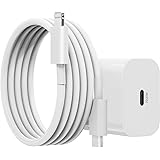
iPhone Charger Adapter 20W Lightning Cable Combo (MFi-Certified) Compatible with iPhone 14/14Plus/14Pro/14 Pro max13/13 Pro/13 Pro max/12/12 Pro/11/X/X
₹699.00 (as of September 24, 2026 18:54 GMT +05:30 - More infoProduct prices and availability are accurate as of the date/time indicated and are subject to change. Any price and availability information displayed on [relevant Amazon Site(s), as applicable] at the time of purchase will apply to the purchase of this product.)
Portronics Konnect X 60W Unbreakable Nylon Braided Cable, 2M Fast Charging Cable For iPhone 15 Series, iPad, Samsung Galaxy (Black)
₹232.00 (as of September 24, 2026 18:54 GMT +05:30 - More infoProduct prices and availability are accurate as of the date/time indicated and are subject to change. Any price and availability information displayed on [relevant Amazon Site(s), as applicable] at the time of purchase will apply to the purchase of this product.)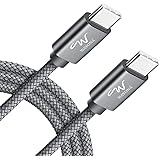
Wayona Type C to Type C 6FT/2M 65W Long Fast Charging Cable Compatible with iPhone 17, Air, iPhone 16,15 Pro/Max Series Macbook Air/Pro Samsung Galaxy S25, Ultra/S24/ S23 Flip Fold OnePlus (2M, Grey)
₹358.99 (as of September 24, 2026 18:54 GMT +05:30 - More infoProduct prices and availability are accurate as of the date/time indicated and are subject to change. Any price and availability information displayed on [relevant Amazon Site(s), as applicable] at the time of purchase will apply to the purchase of this product.)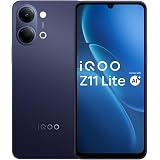
iQOO Z11 Lite 44W 5G (Midnight Blue, 6GB RAM, 128GB Storage) | 6500mAh Battery with 44W Fast Charging* | Dimensity 6300 with 579k+ AnTuTu Score* | OriginOS 6.0 with AI Creation* & Private Space*
₹22,499.00 (as of September 24, 2026 18:54 GMT +05:30 - More infoProduct prices and availability are accurate as of the date/time indicated and are subject to change. Any price and availability information displayed on [relevant Amazon Site(s), as applicable] at the time of purchase will apply to the purchase of this product.)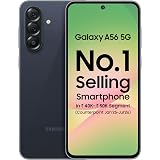
Samsung Galaxy A56 5G Mobile (Awesome Midnight Blue, 8GB, 128GB) | Segment Most Complete Triple Camera | 50MP | AI Editing | 4nm Processor | sAMOLED | 5000mAh | Gorilla Glass Victus+| Knox Security
₹36,999.00 (as of September 24, 2026 18:54 GMT +05:30 - More infoProduct prices and availability are accurate as of the date/time indicated and are subject to change. Any price and availability information displayed on [relevant Amazon Site(s), as applicable] at the time of purchase will apply to the purchase of this product.)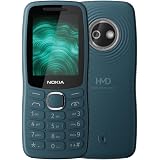
Nokia 123 Shield 2G Keypad Mobile Phone | Water Resistant| Dust Resistant | Strong Signal| PhonePe| Long Lasting Battery | Strong Torch | 1‑Year Replacement Guarantee | Type-C Charging | Green
₹1,999.00 (as of September 24, 2026 18:54 GMT +05:30 - More infoProduct prices and availability are accurate as of the date/time indicated and are subject to change. Any price and availability information displayed on [relevant Amazon Site(s), as applicable] at the time of purchase will apply to the purchase of this product.)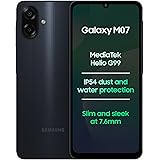
Samsung Galaxy M07 Mobile (Black, 4GB RAM, 64GB Storage) | MediaTek Helio G99 | AnTuTu 624K | IP54| 50MP Camera | 7.6mm Slim | 5000mAh Battery | 25W Fast Charging | 6 Gen OS Upgrades | Without Charger
₹11,999.00 (as of September 24, 2026 18:54 GMT +05:30 - More infoProduct prices and availability are accurate as of the date/time indicated and are subject to change. Any price and availability information displayed on [relevant Amazon Site(s), as applicable] at the time of purchase will apply to the purchase of this product.)