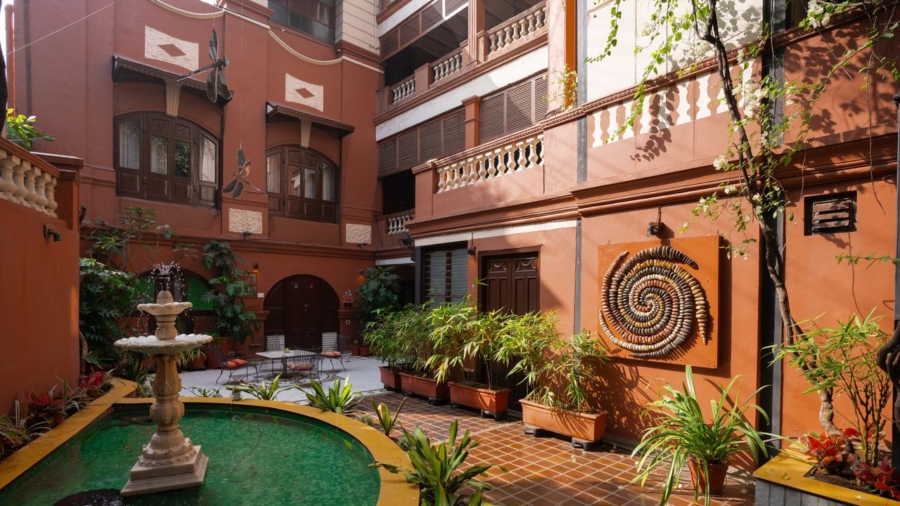
In the old city of Ahmedabad, where the air still hums with the rhythm of looms, a century-old house stands with its stories intact. Built by master craftsmen for textile industrialist Seth Mangaldas Girdhardas, it was once the centre of a world where industry and idealism shared the same address. A hundred years later, his descendant Abhay Mangaldas has kept that spirit alive, restoring the house one brick, one piece of teak, one heirloom at a time.
The story begins with Seth Mangaldas, one of Ahmedabad’s early mill owners, whose work and philanthropy shaped the moral architecture of the city as much as its physical one. During the plague years of 1912 to 1914, when mill workers demanded fair wages and tempers rose, he mediated between owners and labourers. When Mahatma Gandhi returned from South Africa in 1915, he stayed here for three nights. Their conversations—about self-rule, work and dignity—would ripple outward into the founding of the Kochrab Ashram later that year, funded in part by Mangaldas himself.
His generosity was as quick as it was quiet. One story still circulates in the lanes of the old city: during communal unrest in the nineteenth century, a man fleeing a violent crowd found refuge in this very home. To distract the mob below, Mangaldas scattered silver coins from the terrace until the shouts dissolved into a scramble for wealth. The man escaped, and the house became a symbol of something larger: compassion practised without hesitation.
That moral fibre ran through every venture he touched. At the Shethia Club, a society of Ahmedabad’s merchant families founded in the 1890s, Mangaldas turned private privilege into public purpose, financing reading rooms, medical dispensaries and evening schools for mill workers.
A century later, the house that held so many conversations of commerce and conscience has been reimagined by Abhay Mangaldas, the founder’s great-grandson. Beginning in the mid-1990s, he restored the family estate room by room, turning decay into dialogue. Today, every space carries the texture of touch: brass lamps burnished by utensil makers, cane furniture woven by local artisans, upholstery block-printed by hand.
The restoration was never meant to freeze time. Instead, it treats heritage as something alive. The hotel’s textile and jewellery galleries, drawn from the family’s private collections, hum with continuity: jamdani saris that once belonged to Leena Sarabhai, heirloom ornaments worn by women of the household. They are not museum pieces so much as conversations between past and present. reminders that craft only survives when it is used, worn and passed on.
Source link
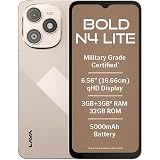
Lava Bold N4 Lite (Empire Gold, 3GB RAM, 32GB Storage) | 6.56" qHD Display | 8MP Rear Camera | 5000 mAh Battery | Free Service @ Home | Fingerprint Reader | Charger & Phone-Cover in Box
₹8,399.00 (as of September 21, 2026 06:21 GMT +05:30 - More infoProduct prices and availability are accurate as of the date/time indicated and are subject to change. Any price and availability information displayed on [relevant Amazon Site(s), as applicable] at the time of purchase will apply to the purchase of this product.)
The Cover Store Silicone Back Cover Case, Scratch Resistant Protective Crystal Clear Transparent Shock Proof Back Cover Case for Realme P1 Pro 5G / 12 Pro Plus / 12 Pro 5G
₹149.00 (as of September 21, 2026 06:21 GMT +05:30 - More infoProduct prices and availability are accurate as of the date/time indicated and are subject to change. Any price and availability information displayed on [relevant Amazon Site(s), as applicable] at the time of purchase will apply to the purchase of this product.)
Humble® Suction Phone Sticker Silicone Grip, Sticky Phone Mount, Hands-Free Mobile Holder, Reusable Anti-Slip Stand for Mirror, Glass, Tile, Shower, All Smartphones for Selfies & Videos (Pack of 3)
₹149.00 (as of September 21, 2026 06:21 GMT +05:30 - More infoProduct prices and availability are accurate as of the date/time indicated and are subject to change. Any price and availability information displayed on [relevant Amazon Site(s), as applicable] at the time of purchase will apply to the purchase of this product.)
STP FEEL® Premium HD+ Tempered Glass Screen Protector Guard For Oneplus N6 5G (6.8 Inch, Pack of 1) | Edge to Edge Coverage With Easy to installation kit
₹239.00 (as of September 21, 2026 06:21 GMT +05:30 - More infoProduct prices and availability are accurate as of the date/time indicated and are subject to change. Any price and availability information displayed on [relevant Amazon Site(s), as applicable] at the time of purchase will apply to the purchase of this product.)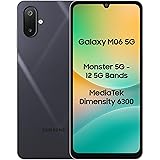
Samsung Galaxy M06 5G Mobile (Blazing Black, 4GB RAM, 128GB Storage) | MediaTek Dimensity 6300 | AnTuTu 623K+ | 12 5G Bands | 25W Fast Charging | 4 Gen OS Upgrades | 50MP Camera | Without Charger
Now retrieving the price.
(as of September 21, 2026 06:21 GMT +05:30 - More infoProduct prices and availability are accurate as of the date/time indicated and are subject to change. Any price and availability information displayed on [relevant Amazon Site(s), as applicable] at the time of purchase will apply to the purchase of this product.)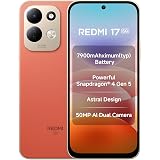
Redmi 17 5G (Eternal Orange, 6GB RAM, 128GB ROM) | 7900mAh Battery + 45W Fast Charging | 6.9" 120Hz Adaptive Display | Snapdragon 4 Gen 5 | 50MP Dual AI Camera | Corning® Gorilla® Glass 7i | IP64
₹23,999.00 (as of September 21, 2026 06:21 GMT +05:30 - More infoProduct prices and availability are accurate as of the date/time indicated and are subject to change. Any price and availability information displayed on [relevant Amazon Site(s), as applicable] at the time of purchase will apply to the purchase of this product.)
iPhone Charger Adapter 20W Type C (MFi-Certified) for iPhone 17/17 Air/17 Pro/17 Pro Max,16/16 Plus/Pro/Pro Max, 15/14/13/12/11 Series with PD 3.0 USB-C Fast Charging Adaptor BIS Certified
₹699.00 (as of September 21, 2026 06:21 GMT +05:30 - More infoProduct prices and availability are accurate as of the date/time indicated and are subject to change. Any price and availability information displayed on [relevant Amazon Site(s), as applicable] at the time of purchase will apply to the purchase of this product.)
OnePlus Nord CE6 | 8GB+128GB | Pitch Black | Snapdragon 7s Gen 4 | Segment's Fastest Touch Response | 8000mAh Battery | 144Hz 1.5K AMOLED Display | 50MP Main + 32MP Selfie 4K Cameras | IP66,68,69,69K
₹37,999.00 (as of September 21, 2026 06:21 GMT +05:30 - More infoProduct prices and availability are accurate as of the date/time indicated and are subject to change. Any price and availability information displayed on [relevant Amazon Site(s), as applicable] at the time of purchase will apply to the purchase of this product.)
DIZORO® Matte Case for iPhone 15 Compatible with MagSafe, Camera Lens Full Protection, Shockproof Translucent Frosted TPU Soft Phone Cover, Anti-Fingerprint (Blue)
₹298.00 (as of September 21, 2026 06:21 GMT +05:30 - More infoProduct prices and availability are accurate as of the date/time indicated and are subject to change. Any price and availability information displayed on [relevant Amazon Site(s), as applicable] at the time of purchase will apply to the purchase of this product.)