Psyllium husk is not pretty. It looks like something you’d dust off on a floor mat. Yet in the second coming of gut health, Isabgol, as we know it, is shining bright.
Our grandparents’ favourite pre-meal ritual has sat in the background as gummies and powders took up social media real estate.
Most of us are running a fibre deficit without realising it. Urban life is basically designed to make you eat fewer plants and more packaging. Many “healthy” meals too fall short on soluble fibre, which is what keeps your glucose curve from doing parkour.
A randomised trial published in Nutrition Journal found that 10.5 grams of psyllium husk a day helped type 2 diabetes patients bring fasting blood sugar down from 163 mg/dL to 119 mg/dL in eight weeks. That drop is significant enough to make even sceptics sit up straighter. Another study in the American Journal of Clinical Nutrition noted that psyllium husk helped most when glycaemic control was already messy, which feels poetic in its own way.
The gut and the brain have been talking behind our backs
We treat the gut like plumbing when, in reality, it behaves more like a nosy neighbour with a direct line to your brain. When fibre ferments, your gut bacteria produce short-chain fatty acids (SCFAs), tiny molecules that end up playing translator between your digestion and your stress response.
They work through a few very real pathways. They appear to stimulate receptors linked to the vagus nerve, which sends the brain a message that the internal environment is safe enough to power down. They may influence the hormonal loop that governs cortisol. In a 2020 randomised trial published in Neuropsychopharmacology, healthy men given SCFAs through colon-delivery capsules had a significantly lower cortisol surge when exposed to an acute stress test compared with placebo. Their subjective stress didn’t change, but their bodies reacted with more composure, which says a lot about how these molecules operate.
SCFAs also support the gut lining, which reduces inflammation, and inflammation is one of the fastest ways to make your whole system feel on edge. A review in Frontiers in Endocrinology summarises this, noting that SCFAs may influence the human HPA axis, the circuit that decides how dramatically your stress hormones rise and fall.
The gut often creates more daily background noise than we realise. When fermentation patterns improve and inflammation falls, the nervous system stops receiving distress signals it never needed in the first place. The research is early and far from conclusive, but the emerging human trials hint that these gut-made molecules are worth paying attention to.
India’s fibre paradox
For a cuisine built on vegetables, lentils and grains, we still miss a lot of the fibres our gut needs. Add long workdays, unpredictable sleep and the national habit of eating dinner far too late, and the gut ends up carrying more than its share. This is the backdrop where psyllium starts to feel logical, filling a gap our routines keep widening.
Source link

Kratos K9 Selfie Stick Tripod With Light, 67 inch /170CM Reinforced Tripod for Mobile Phone, Multi-Functional Bluetooth Long Selfie Stick for Travel,Vlogging,Compatible with iPhone and All Smartphones
₹599.00 (as of September 22, 2026 06:23 GMT +05:30 - More infoProduct prices and availability are accurate as of the date/time indicated and are subject to change. Any price and availability information displayed on [relevant Amazon Site(s), as applicable] at the time of purchase will apply to the purchase of this product.)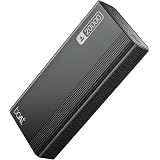
boAt (2026 Launch) Energyshroom PB401 20000 mAh 22.5W Fast Charging Power Bank (4X Output Ports, Supports Android, iPhone, Tablets, Earbuds, etc.), USB Type C (Onyx Black)
₹1,799.00 (as of September 22, 2026 06:23 GMT +05:30 - More infoProduct prices and availability are accurate as of the date/time indicated and are subject to change. Any price and availability information displayed on [relevant Amazon Site(s), as applicable] at the time of purchase will apply to the purchase of this product.)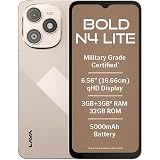
Lava Bold N4 Lite (Empire Gold, 3GB RAM, 32GB Storage) | 6.56" qHD Display | 8MP Rear Camera | 5000 mAh Battery | Free Service @ Home | Fingerprint Reader | Charger & Phone-Cover in Box
₹8,399.00 (as of September 22, 2026 06:23 GMT +05:30 - More infoProduct prices and availability are accurate as of the date/time indicated and are subject to change. Any price and availability information displayed on [relevant Amazon Site(s), as applicable] at the time of purchase will apply to the purchase of this product.)
iPhone 18 Pro (256 GB) - Silver | 15.93 cm (6.3″) Super Retina XDR Display with ProMotion, A20 Pro Chip, 48MP Fusion Main Camera with Variable Aperture
₹1,64,900.00 (as of September 22, 2026 06:23 GMT +05:30 - More infoProduct prices and availability are accurate as of the date/time indicated and are subject to change. Any price and availability information displayed on [relevant Amazon Site(s), as applicable] at the time of purchase will apply to the purchase of this product.)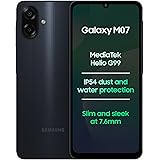
Samsung Galaxy M07 Mobile (Black, 4GB RAM, 64GB Storage) | MediaTek Helio G99 | AnTuTu 624K | IP54| 50MP Camera | 7.6mm Slim | 5000mAh Battery | 25W Fast Charging | 6 Gen OS Upgrades | Without Charger
₹11,999.00 (as of September 22, 2026 06:23 GMT +05:30 - More infoProduct prices and availability are accurate as of the date/time indicated and are subject to change. Any price and availability information displayed on [relevant Amazon Site(s), as applicable] at the time of purchase will apply to the purchase of this product.)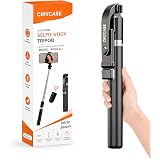
Upgraded 2026 67Inch/ 170cm Long Selfie Stick Tripod with Wireless Remote, Long Tripod Stand with 360° Rotation, Compatible with Mobile/GoPro for Travel,Suitable for iPhone and All Smartphones
₹499.00 (as of September 22, 2026 06:23 GMT +05:30 - More infoProduct prices and availability are accurate as of the date/time indicated and are subject to change. Any price and availability information displayed on [relevant Amazon Site(s), as applicable] at the time of purchase will apply to the purchase of this product.)
Ambrane Magsafe Wireless 10000Mah Fast Charging Power Bank, Strong Magnet, Micro USB Input, 22.5W Output For Iphone 12 Above, Android & Other Qi Enabled Devices + Magnetic Ring (Aerosync Snap, Purple)
₹1,749.00 (as of September 22, 2026 06:23 GMT +05:30 - More infoProduct prices and availability are accurate as of the date/time indicated and are subject to change. Any price and availability information displayed on [relevant Amazon Site(s), as applicable] at the time of purchase will apply to the purchase of this product.)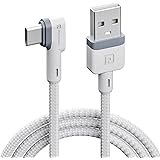
Portronics Konnect L POR-1403 Fast Charging 3A Type-C Cable 1.2 Meter with Charge & Sync Function for All Type-C Devices (White)
₹145.00 (as of September 22, 2026 06:23 GMT +05:30 - More infoProduct prices and availability are accurate as of the date/time indicated and are subject to change. Any price and availability information displayed on [relevant Amazon Site(s), as applicable] at the time of purchase will apply to the purchase of this product.)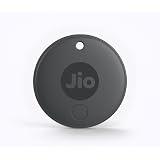
JioTag (2nd Generation) (Grey) - Android or iOS Compatible IP64 Rated Worldwide Item Finder for Keys, Wallets, Luggage, Gadgets and More |1+1 Year Battery | No SIM Needed
₹1,249.00 (as of September 22, 2026 06:23 GMT +05:30 - More infoProduct prices and availability are accurate as of the date/time indicated and are subject to change. Any price and availability information displayed on [relevant Amazon Site(s), as applicable] at the time of purchase will apply to the purchase of this product.)