A few years ago, while waiting for my taxi in the lobby of the Holiday Inn Muscat—and finally tired of mindlessly scrolling through my phone—I struck up a conversation with a bellhop just to kill time. The bellhop turned out to be among the hotel’s longest-serving employees and a living archive of Oman’s buried stories. He regaled me with fascinating tales of the country’s culture and history that few travellers hear: stories of how, in pre-’70s Oman, people were forbidden to wear footwear in the presence of the Sultan; of how some believe that the Al-Hajar Mountains were formed even before the extinction of the dinosaurs; of how high up in the mountains, abandoned homes and villages of ancient tribes can still be visited.
Another time, while staying at Hotel Auersperg in Salzburg, I decided to take a day trip to Hallstatt like most tourists. When I mentioned it in passing to one of the wait staff, she gently advised me to stay overnight. While the village receives thousands of day-trippers daily, ironically, it’s at its most stunning in the quiet hours. “Unfortunately, many visitors wander into private homes, take selfies, speak loudly, disrupt the peace, and leave. But Hallstatt is not a movie set. It’s home to people who deserve respect.” She encouraged me to visit in the off-season, dine at smaller eateries, skip commercial hotels for family-owned inns, buy homemade goods and support local businesses. Thanks to her, I ended up experiencing one of Austria’s most touristy hotspots in a deeper, more meaningful way.
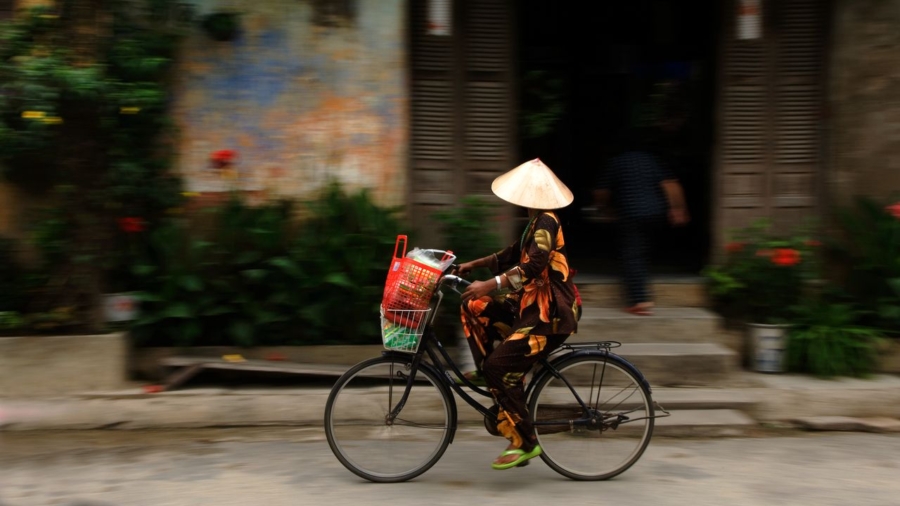
It was in these moments that a realisation dawned on me. As a hotel writer and someone who prided herself on being a “traveller, not a tourist”—someone who sought authentic experiences—I had been ignoring the locals I saw most frequently: the hotel staff. And I don’t mean the head chefs and senior managers, but a hotel’s most overlooked resource: the staff we walk past in the lobby.
Think about it—a night guard or doorman who observes a city as it sleeps and watches what few guests ever see. Imagine the treasure trove of secrets they must hold about a place? Or, housekeeping, who witness guests’ habits up close, may be the best people to teach us about how to be responsible tourists.
Before apps and hashtags, it was the hotel staff and concierges who were the ultimate insiders. They pointed guests to the best-kept secrets of a destination, hidden restaurants and held the keys to untold stories that made trips memorable.
Interestingly, even now—when the hotel industry is rapidly investing in AI concierges and robot staff and almost 40% of travellers globally are using AI-based tools to plan their travel itinerary—Albert John, head concierge at The Oberoi in New Delhi, believes that the golden era of human staff is now. “Genuine connection has become the new luxury, because while technology can recommend a city’s finest restaurant, knowing which table will suit your mood, or which local artisan will capture your imagination, comes only from human instinct.”
Source link

DIZORO Compatible for iPhone 15 Case 6.1, Slim Liquid Silicone Case 3 Layers Full Covered Soft Gel Rubber Phone Case Protective Cover 6.1 Inch (Mist Blue)
₹329.00 (as of September 22, 2026 06:23 GMT +05:30 - More infoProduct prices and availability are accurate as of the date/time indicated and are subject to change. Any price and availability information displayed on [relevant Amazon Site(s), as applicable] at the time of purchase will apply to the purchase of this product.)
Samsung Original 25W USB Type-C Travel Adaptor Without Cable for Google Pixel, Xiaomi, Motorola, iPhone, Samsung Galaxy Tab S/A Series, Galaxy S10/M54/M55/A80/A90/S25/S24, White
₹588.00 (as of September 22, 2026 06:23 GMT +05:30 - More infoProduct prices and availability are accurate as of the date/time indicated and are subject to change. Any price and availability information displayed on [relevant Amazon Site(s), as applicable] at the time of purchase will apply to the purchase of this product.)
Amazon Basics 20000 mAh Power Bank | 22.5W Fast Charging | Dual Output & Input | Charge 3 Devices Simultaneously | for Smartphones, TWS Earbuds, Speakers, Tablets (Dark Blue)
₹1,172.00 (as of September 22, 2026 06:23 GMT +05:30 - More infoProduct prices and availability are accurate as of the date/time indicated and are subject to change. Any price and availability information displayed on [relevant Amazon Site(s), as applicable] at the time of purchase will apply to the purchase of this product.)
Lava Bold N4 Lite (Empire Gold, 3GB RAM, 32GB Storage) | 6.56" qHD Display | 8MP Rear Camera | 5000 mAh Battery | Free Service @ Home | Fingerprint Reader | Charger & Phone-Cover in Box
₹8,399.00 (as of September 22, 2026 06:23 GMT +05:30 - More infoProduct prices and availability are accurate as of the date/time indicated and are subject to change. Any price and availability information displayed on [relevant Amazon Site(s), as applicable] at the time of purchase will apply to the purchase of this product.)
TheGiftKart Ultra-Hybrid Crystal Clear Back Case Cover for iPhone 17 | Shockproof Design | Hard Back Cover Case for iPhone 17 (PC & TPU, Transparent)
₹299.00 (as of September 22, 2026 06:23 GMT +05:30 - More infoProduct prices and availability are accurate as of the date/time indicated and are subject to change. Any price and availability information displayed on [relevant Amazon Site(s), as applicable] at the time of purchase will apply to the purchase of this product.)
Pikkme Flip Cover Leather Finish | Inside TPU with Card Pockets | Wallet Stand and Shock Proof | Complete Protection Flip Case for Redmi 12 5G / Poco M6 Pro 5G(Blue)
₹199.00 (as of September 22, 2026 06:23 GMT +05:30 - More infoProduct prices and availability are accurate as of the date/time indicated and are subject to change. Any price and availability information displayed on [relevant Amazon Site(s), as applicable] at the time of purchase will apply to the purchase of this product.)
Redmi Note 17 Pro 5G (Cloud Blue, 8GB RAM, 256GB ROM) | 9000mAh Battery + 67W TurboCharge* | 6.83" 12-bit TrueColour AMOLED | No.1 Care Plan | Snapdragon 6s Gen 4 | 50MP OIS Camera | Victus 2 | IP69K
₹39,999.00 (as of September 22, 2026 06:23 GMT +05:30 - More infoProduct prices and availability are accurate as of the date/time indicated and are subject to change. Any price and availability information displayed on [relevant Amazon Site(s), as applicable] at the time of purchase will apply to the purchase of this product.)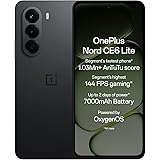
OnePlus Nord CE6 Lite | 8GB+128GB | Hyper Black | Segment's Fastest Dimensity 7400 Apex Processor | 7000mAh Battery | Segment's Highest 144Hz Refresh Rate | 50MP Main Camera, 4K Video Recording
₹30,999.00 (as of September 22, 2026 06:23 GMT +05:30 - More infoProduct prices and availability are accurate as of the date/time indicated and are subject to change. Any price and availability information displayed on [relevant Amazon Site(s), as applicable] at the time of purchase will apply to the purchase of this product.)
Portronics Konnect X USB to Type C Cable with 3A Output, Fast Charging & Data Transfer, Nylon Braided, Aluminium Alloy Shell, 1M Length compatible with Type C Smartphones(White)
₹150.00 (as of September 22, 2026 06:23 GMT +05:30 - More infoProduct prices and availability are accurate as of the date/time indicated and are subject to change. Any price and availability information displayed on [relevant Amazon Site(s), as applicable] at the time of purchase will apply to the purchase of this product.)