Long before meticulously scheduled spa days, whole regions built their beauty around bath rituals. In tiled hammams and courtyard bathrooms, getting clean meant steam, conversation and an unhurried sequence of soaps, scrubs, clays and oils that people still swear by. In Morocco, hammams doubled as sanctuaries. In the Emirates, the majlis offered warmth. Persia perfumed its cleansing routines with rose, while Egypt leaned into milk and honey.
These bath rituals grew out of the landscape and daily life revolving around olives, clay, gourds, seeds, flowers. You see it when you travel; squat jars of black soap in a Marrakech souk, stacks of Aleppo bars in a Levantine grocery, loofahs drying in the Egyptian sun. These are some of those classics that slip into your suitcase almost as an afterthought, but end up being your best desicions. Simple, elemental and worth hunting down locally when you’re there.
Aleppo soap
A centuries-old Syrian staple, this is the blueprint for many of today’s gentle cleansers. It’s made from olive oil and laurel (bay) oil, then air-dried for months until it turns a mottled green-and-gold. It’s suitable for face, body and sometimes hair. If your routine leans minimalist, Aleppo soap is as good as it gets.
Traveller’s tip: When you’re in Lebanon or Turkey, look for dense, stamped cubes in neighbourhood groceries and herb shops. Traditional makers like Najel or Tadé still follow the original recipes.
Moroccan black soap
In a traditional hammam, everything starts with this thick, olive-based paste (savon noir or beldi). Applied on warm, damp skin, it softens and loosens dead skin cells so they slide off easily when you scrub, but without the froth of a typical cleanser.
Traveller’s tip: The best versions are often sold by the hammams themselves in Marrakech and Fez or scooped out of tubs in tiny herboriste shops.
Kese glove
No hammam ritual is complete without the kese. Attendants use this textured exfoliating mitt to scrub in long, rhythmic strokes. Rolls of greyish skin lift off, circulation kicks up and you’re left with flushed, polished, baby-smooth limbs. It’s not gentle in the moment, but it’s hard to go back to a polite body scrub after you’ve experienced it once.
Traveller’s tip: In Istanbul or Antalya, buy your kese from historic bathhouses or the stalls clustered around them, where the mitts are tightly woven.
Rhassoul clay
Mined from Morocco’s Atlas mountains, rhassoul (or ghassoul) is a fine, mineral-rich clay that has been a go-to for face, body and scalp for centuries. Mixed with water or rose water, it turns into a silky mud that pulls out excess oil and impurities without leaving that stiff, overly taut feeling.
Traveller’s tip: In Marrakech and Fez, you’ll usually find it sold loose in herboriste shops as earthy flakes or powder, sometimes in simple paper cones labelled ‘ghassoul.’
Milk & honey baths
The Cleopatra bath isn’t just a legend. Milk, rich in lactic acid, paired with honey’s humectant and antimicrobial benefits, exfoliates gently when mixed into your warm bath water, while drenching skin in moisture.
Source link
Kratos Selfie Stick with Tripod Stand,Extendable Selfie Stick for Mobile Phone with Bluetooth Remote,3-in-1 Multifunctional Design for Redmi/Xiaomi/OnePlus/Samsung/Oppo/Vivo and All Phones
₹189.00 (as of September 22, 2026 06:23 GMT +05:30 - More infoProduct prices and availability are accurate as of the date/time indicated and are subject to change. Any price and availability information displayed on [relevant Amazon Site(s), as applicable] at the time of purchase will apply to the purchase of this product.)
DIZORO Crystal Clear Magnetic Compatible with iPhone 17 Case with Anti-Yellow Anti-Scratch Shockproof Transparent Cover
₹298.00 (as of September 22, 2026 06:23 GMT +05:30 - More infoProduct prices and availability are accurate as of the date/time indicated and are subject to change. Any price and availability information displayed on [relevant Amazon Site(s), as applicable] at the time of purchase will apply to the purchase of this product.)
Amazon Basics 20000 mAh Power Bank | 22.5W Fast Charging | Dual Output & Input | Charge 3 Devices Simultaneously | for Smartphones, TWS Earbuds, Speakers, Tablets (Dark Blue)
₹1,172.00 (as of September 22, 2026 06:23 GMT +05:30 - More infoProduct prices and availability are accurate as of the date/time indicated and are subject to change. Any price and availability information displayed on [relevant Amazon Site(s), as applicable] at the time of purchase will apply to the purchase of this product.)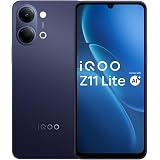
iQOO Z11 Lite 44W 5G (Midnight Blue, 6GB RAM, 128GB Storage) | 6500mAh Battery with 44W Fast Charging* | Dimensity 6300 with 579k+ AnTuTu Score* | OriginOS 6.0 with AI Creation* & Private Space*
₹22,499.00 (as of September 22, 2026 06:23 GMT +05:30 - More infoProduct prices and availability are accurate as of the date/time indicated and are subject to change. Any price and availability information displayed on [relevant Amazon Site(s), as applicable] at the time of purchase will apply to the purchase of this product.)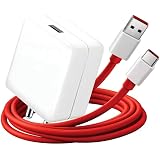
GOVARIO 65W Fast Charger Type C | Charger Adapter for Fast Charging | Charger Type C Compatible with Smartphones | Compact & Reliable Charging Adapter
₹279.00 (as of September 22, 2026 06:23 GMT +05:30 - More infoProduct prices and availability are accurate as of the date/time indicated and are subject to change. Any price and availability information displayed on [relevant Amazon Site(s), as applicable] at the time of purchase will apply to the purchase of this product.)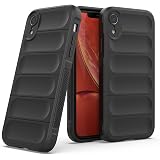
Zapcase Back Case Cover for iPhone XR | Compatible for iPhone XR Back Cover | Liquid Silicon Magic Case with Camera Protection | Black
₹298.00 (as of September 22, 2026 06:23 GMT +05:30 - More infoProduct prices and availability are accurate as of the date/time indicated and are subject to change. Any price and availability information displayed on [relevant Amazon Site(s), as applicable] at the time of purchase will apply to the purchase of this product.)
Portronics Konnect X 60W Unbreakable Nylon Braided Cable, 2M Fast Charging Cable For iPhone 15 Series, iPad, Samsung Galaxy (Black)
₹232.00 (as of September 22, 2026 06:23 GMT +05:30 - More infoProduct prices and availability are accurate as of the date/time indicated and are subject to change. Any price and availability information displayed on [relevant Amazon Site(s), as applicable] at the time of purchase will apply to the purchase of this product.)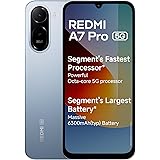
REDMI A7 Pro 5G (Mist Blue, 4GB RAM,128GB Storage) | Segment's Fastest Processor | Segment's Largest Battery | Segment's Largest & Smoothest 6.9in 120Hz Display
₹15,999.00 (as of September 22, 2026 06:23 GMT +05:30 - More infoProduct prices and availability are accurate as of the date/time indicated and are subject to change. Any price and availability information displayed on [relevant Amazon Site(s), as applicable] at the time of purchase will apply to the purchase of this product.)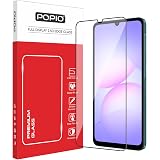
POPIO Military-Grade Gorilla Tempered Glass for Samsung Galaxy A06 / F06 / M06 / A07 / A07s / F07 / M07 | Pack of 1 | 9H Hardness, Edge-to-Edge, Bubble-Free
₹299.00 (as of September 22, 2026 06:23 GMT +05:30 - More infoProduct prices and availability are accurate as of the date/time indicated and are subject to change. Any price and availability information displayed on [relevant Amazon Site(s), as applicable] at the time of purchase will apply to the purchase of this product.)