Steam inhalation in winter is a collective childhood experience we’ve all shared. Long before anyone mentioned sweaters, my body would send the memo first: a scratchy throat, that familiar battle to breathe through my nose and skin that suddenly felt too taught.
While most of my classmates marked winter by school vacations and new jackets, I counted it in colds. Add dry patches and chapped lips and the season felt less cosy and more like something to get through. In our home, that meant extra blankets, moisturisers on every surface and one recurring ritual: steam. A bowl of hot water, a towel over my head and ten minutes where breathing got easier.
Lately, I’ve noticed that everywhere again. Friends FaceTiming under towels, parents dragging out steamers, social media full of “must-steam” advice because everyone seems to be falling sick at once. So this winter, instead of just defaulting to what I grew up with, I wanted to ask a simple question: beyond nostalgia and temporary comfort, does steam inhalation actually do what we think it does?
What is steam therapy really doing?
At its simplest, steam therapy is warm, moist air directed towards your face. It feels soothing, but there’s a lot more to it.
When the air turns cold and dry, mucus thickens and clings, making every inhale feel heavier. “In winter, the combination of low humidity and pollution tends to aggravate congestion,” says Dr Rohan Goyal, MBBS, founder and regenerative medicine specialist at Nuvana. “Warm steam can help thin mucus, ease nasal pressure and make breathing feel easier for a while.” It doesn’t cure the cold, but it can take the edge off that stuffed-up, heavy-headed feeling.
Most of us discovered steam through our sinuses, and only later realised it seemed to do something to the skin. Dr Gagan Raina, cosmetologist and aesthetic medicine specialist at Arisia Skin Clinic, breaks down what’s happening at the surface. “When warm steam hits the skin, the outermost layer (stratum corneum) subtly swells. That brief swelling increases permeability, so hydrating serums, ceramides, peptides and richer creams sink in more effectively,” she explains. Winter skin often feels rough because dead cells cling on; steam softens that layer and lifts some of the dullness. “The glow people notice comes from increased microcirculation and better oxygen delivery at the surface.” But there’s a caveat, she adds, “If you don’t follow with moisturiser, the skin can end up feeling drier once the effect wears off.”
Drawing the line
“It helps, but within a clear window,” says Dr Raina. It can make breathing a little freer, but it doesn’t replace humidifiers or prescribed treatment.
On the skin, too much heat comes with a cost. “Over-steaming weakens the barrier and can push the skin towards inflammation,” says Dr Madhuri Agarwal, founder and medical director, Yavana Skin & Hair Clinic. Especially if you’re prone to rosacea, eczema or active breakouts, frequent or very hot steam can leave you red, tight or sensitised.
Source link
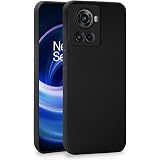
Pikkme OnePlus 10R 5G / 10R Prime 5G Back Cover Soft Matte Liquid Silicone TPU | Camera Protection | Shockproof Slim Back Case for OnePlus 10R 5G / 10R Prime 5G (Black)
₹199.00 (as of September 22, 2026 06:23 GMT +05:30 - More infoProduct prices and availability are accurate as of the date/time indicated and are subject to change. Any price and availability information displayed on [relevant Amazon Site(s), as applicable] at the time of purchase will apply to the purchase of this product.)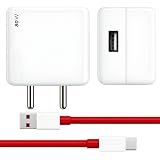
80W USB-A to Type-C Fast Charger & Cable Compatible with Oneplus/Oppo/Xiaomi/Realme/Samsung/Nothing/Poco/Motorola & Other Type C Devices
₹555.00 (as of September 22, 2026 06:23 GMT +05:30 - More infoProduct prices and availability are accurate as of the date/time indicated and are subject to change. Any price and availability information displayed on [relevant Amazon Site(s), as applicable] at the time of purchase will apply to the purchase of this product.)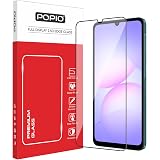
POPIO Military-Grade Gorilla Tempered Glass for Samsung Galaxy A06 / F06 / M06 / A07 / A07s / F07 / M07 | Pack of 1 | 9H Hardness, Edge-to-Edge, Bubble-Free
₹299.00 (as of September 22, 2026 06:23 GMT +05:30 - More infoProduct prices and availability are accurate as of the date/time indicated and are subject to change. Any price and availability information displayed on [relevant Amazon Site(s), as applicable] at the time of purchase will apply to the purchase of this product.)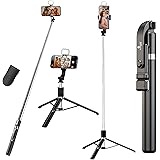
Kratos K9 Selfie Stick Tripod With Light, 67 inch /170CM Reinforced Tripod for Mobile Phone, Multi-Functional Bluetooth Long Selfie Stick for Travel,Vlogging,Compatible with iPhone and All Smartphones
₹599.00 (as of September 22, 2026 06:23 GMT +05:30 - More infoProduct prices and availability are accurate as of the date/time indicated and are subject to change. Any price and availability information displayed on [relevant Amazon Site(s), as applicable] at the time of purchase will apply to the purchase of this product.)
Portronics Konnect X 60W Unbreakable Nylon Braided Cable, 2M Fast Charging Cable For iPhone 15 Series, iPad, Samsung Galaxy (Black)
₹232.00 (as of September 22, 2026 06:23 GMT +05:30 - More infoProduct prices and availability are accurate as of the date/time indicated and are subject to change. Any price and availability information displayed on [relevant Amazon Site(s), as applicable] at the time of purchase will apply to the purchase of this product.)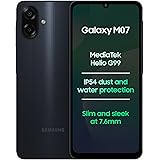
Samsung Galaxy M07 Mobile (Black, 4GB RAM, 64GB Storage) | MediaTek Helio G99 | AnTuTu 624K | IP54| 50MP Camera | 7.6mm Slim | 5000mAh Battery | 25W Fast Charging | 6 Gen OS Upgrades | Without Charger
₹11,999.00 (as of September 22, 2026 06:23 GMT +05:30 - More infoProduct prices and availability are accurate as of the date/time indicated and are subject to change. Any price and availability information displayed on [relevant Amazon Site(s), as applicable] at the time of purchase will apply to the purchase of this product.)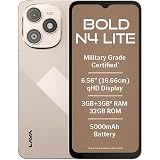
Lava Bold N4 Lite (Empire Gold, 3GB RAM, 32GB Storage) | 6.56" qHD Display | 8MP Rear Camera | 5000 mAh Battery | Free Service @ Home | Fingerprint Reader | Charger & Phone-Cover in Box
₹8,399.00 (as of September 22, 2026 06:23 GMT +05:30 - More infoProduct prices and availability are accurate as of the date/time indicated and are subject to change. Any price and availability information displayed on [relevant Amazon Site(s), as applicable] at the time of purchase will apply to the purchase of this product.)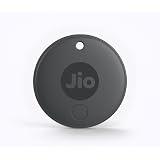
JioTag (2nd Generation) (Grey) - Android or iOS Compatible IP64 Rated Worldwide Item Finder for Keys, Wallets, Luggage, Gadgets and More |1+1 Year Battery | No SIM Needed
₹1,249.00 (as of September 22, 2026 06:23 GMT +05:30 - More infoProduct prices and availability are accurate as of the date/time indicated and are subject to change. Any price and availability information displayed on [relevant Amazon Site(s), as applicable] at the time of purchase will apply to the purchase of this product.)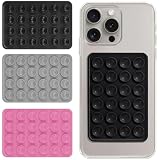
Humble® Suction Phone Sticker Silicone Grip, Sticky Phone Mount, Hands-Free Mobile Holder, Reusable Anti-Slip Stand for Mirror, Glass, Tile, Shower, All Smartphones for Selfies & Videos (Pack of 3)
₹149.00 (as of September 22, 2026 06:23 GMT +05:30 - More infoProduct prices and availability are accurate as of the date/time indicated and are subject to change. Any price and availability information displayed on [relevant Amazon Site(s), as applicable] at the time of purchase will apply to the purchase of this product.)