I didn’t realise how deeply a diagnosis could affect me until the doctor said the words, “You have PCOD.” I wasn’t scared of managing PCOD. I was scared of what it meant about me: my body, my future, my identity. It felt like something inside me had slipped out of place, and I didn’t know how to put it back.
It caught me off guard because I thought I was doing everything right; I woke up at 6am and slept at 10pm. I ate only home-cooked meals. I didn’t drink or smoke. I exercised regularly. So when my gynaecologist kept saying, “Take care of your lifestyle,” I didn’t know what else to fix. I thought I already lived a great lifestyle. Meanwhile, my symptoms kept getting louder. My acne got painful, my periods stayed irregular, my anxiety increased and my confidence disappeared. I tried birth control medication, antibiotics, vitamin supplements, gallons of water, but nothing made a meaningful difference. At one point, I gave up on the idea of managing PCOD. That’s when my parents suggested therapy, not because I was falling apart, but because the doctor believed stress was playing a role.
I walked into the psychologist’s room expecting answers. What I got instead was a question. After listening quietly as I described my tightly controlled routine, he asked me, “Have you thought of living without calculating every move?” In that moment, I realised my lifestyle wasn’t healthy, it was rigid. I had built my life like a timetable. I was afraid of being late, of falling behind, of doing anything that might look like failure. And that fear showed up everywhere: in the way I rushed to class instead of walking, in how I inhaled my food, in how I panicked when I wasn’t productive, in how I swallowed my emotions because I didn’t want to “waste time.” For the first time, the pieces fit. My body wasn’t rebelling. It was overwhelmed.
According to psychotherapist Harleen Bagga, founder of Soul Therapy, unmanaged stress can trap the body in a constant state of survival. “Women managing PCOD often live in an anxiety loop,” she explains, where stress worsens symptoms and symptoms create more stress. “Over time, this affects emotional regulation, sleep and the nervous system’s ability to feel safe.” So, instead of trying harder, I tried differently. I began slowing down as a rule of thumb. I consciously reduced my walking speed. I let myself lie in bed for ten minutes after waking up instead of starting the day in urgency. I allowed the occasional late night without guilt. I ate more mindfully, taking time to enjoy meals rather than rushing through them. I cut sugar and dairy not as punishment, but as an act of care. I stopped being available to the world before I was available to myself.
Source link
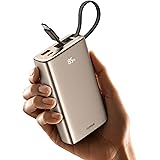
Noise Newly Launched India's 1st Power Bank 20000mAh 45W Ultra Fast Charging: Built-in Type-C Cable, Digital Battery%, Advanced Safety, Metallic Finish, Triple Output, BIS Certified (Titanium)
₹2,799.00 (as of September 22, 2026 06:23 GMT +05:30 - More infoProduct prices and availability are accurate as of the date/time indicated and are subject to change. Any price and availability information displayed on [relevant Amazon Site(s), as applicable] at the time of purchase will apply to the purchase of this product.)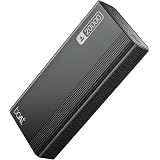
boAt (2026 Launch) Energyshroom PB401 20000 mAh 22.5W Fast Charging Power Bank (4X Output Ports, Supports Android, iPhone, Tablets, Earbuds, etc.), USB Type C (Onyx Black)
₹1,799.00 (as of September 22, 2026 06:23 GMT +05:30 - More infoProduct prices and availability are accurate as of the date/time indicated and are subject to change. Any price and availability information displayed on [relevant Amazon Site(s), as applicable] at the time of purchase will apply to the purchase of this product.)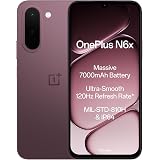
OnePlus N6x | 4GB+128GB | Burgundy Red | 7000mAh Battery | Power for Days | 48-Months Smoothness | Smooth 120Hz Display | Largest 5300mm2 Cooling System | Military-Grade Durability
₹22,999.00 (as of September 22, 2026 06:23 GMT +05:30 - More infoProduct prices and availability are accurate as of the date/time indicated and are subject to change. Any price and availability information displayed on [relevant Amazon Site(s), as applicable] at the time of purchase will apply to the purchase of this product.)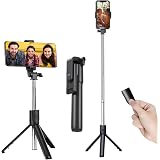
Kratos Selfie Stick with Tripod Stand,Extendable Selfie Stick for Mobile Phone with Bluetooth Remote,3-in-1 Multifunctional Design for Redmi/Xiaomi/OnePlus/Samsung/Oppo/Vivo and All Phones
₹189.00 (as of September 22, 2026 06:23 GMT +05:30 - More infoProduct prices and availability are accurate as of the date/time indicated and are subject to change. Any price and availability information displayed on [relevant Amazon Site(s), as applicable] at the time of purchase will apply to the purchase of this product.)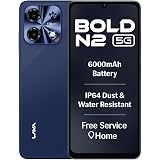
Lava Bold N2 5G (Billionaire Blue, 4GB RAM, 128GB Storage) | 6000 mAh Super Battery | Octacore Ultrafast Processor | Biggest 6.75 (HD+) 120Hz Display | IP64 Dust-Water Resistant | Free Service @ Home
₹14,499.00 (as of September 22, 2026 06:23 GMT +05:30 - More infoProduct prices and availability are accurate as of the date/time indicated and are subject to change. Any price and availability information displayed on [relevant Amazon Site(s), as applicable] at the time of purchase will apply to the purchase of this product.)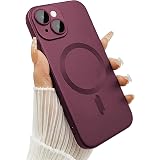
DIZORO Magnetic Case for iPhone 15 Compatible with MagSafe Built-in Camera Lens Protector Slim Soft Silicone Bumper Shockproof Metallic Luster Back Cover Phone Case Wine Red
Now retrieving the price.
(as of September 22, 2026 06:23 GMT +05:30 - More infoProduct prices and availability are accurate as of the date/time indicated and are subject to change. Any price and availability information displayed on [relevant Amazon Site(s), as applicable] at the time of purchase will apply to the purchase of this product.)
Nokia 105 Classic | Single SIM Keypad Phone with Built-in UPI Payments, Long-Lasting Battery, Wireless FM Radio, Without Charger| 1 Year Replacement Guarantee | Charcoal
₹1,029.00 (as of September 22, 2026 06:23 GMT +05:30 - More infoProduct prices and availability are accurate as of the date/time indicated and are subject to change. Any price and availability information displayed on [relevant Amazon Site(s), as applicable] at the time of purchase will apply to the purchase of this product.)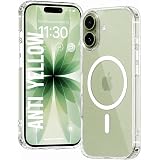
DIZORO Crystal Clear Magnetic Compatible with iPhone 17 Case with Anti-Yellow Anti-Scratch Shockproof Transparent Cover
₹298.00 (as of September 22, 2026 06:23 GMT +05:30 - More infoProduct prices and availability are accurate as of the date/time indicated and are subject to change. Any price and availability information displayed on [relevant Amazon Site(s), as applicable] at the time of purchase will apply to the purchase of this product.)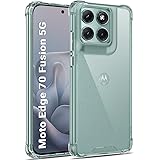
TheGiftKart Crystal Clear Back Cover Case for Motorola Moto Edge 70 Fusion 5G | 360 Degree Protection | Shock Proof Design | Transparent Back Case Cover (PC & TPU, Transparent Bumper)
₹299.00 (as of September 22, 2026 06:23 GMT +05:30 - More infoProduct prices and availability are accurate as of the date/time indicated and are subject to change. Any price and availability information displayed on [relevant Amazon Site(s), as applicable] at the time of purchase will apply to the purchase of this product.)