LV: Simi is known as the Lady in White, and Karleo is a Brand that specialises in White Wedding Gowns. This was a match made in Heaven. We have discussed different shades of white for hours, ranging from eggshells, ivory, bone white, cream and champagne, etc. We also love to discuss different kinds of shines. Shines like Diamonds, Shines like Metal and Shines like Mirror. We vividly remember that the outfits created for her were dyed in different shades of coffee to get a natural shade of cream for Simi. She wore it for a red carpet event in Australia. We have always been fans of her sense of style and elegance.
VI: Simi Garewal is known for her style and candid conversations. She has been rebellious in some ways and does not hesitate to experiment. Tell us about your approach when you are designing something for her. Has her onscreen boldness translated to her fashion choices?
LV: The best part about Simi is her knowledge of fabrics and her references to the old world charm. Which, for designers like us, is a dream come true. We love a good story to complement the fashion. And there is plenty of that when working with Simi. Also, being generations apart makes things more interesting. It’s the contrast of the classic with the modern that keeps things fresh and bold in many ways when it comes to fashion. We have experimented with construction styles, different kinds of corsets, shoulder pads, etc, and many fabric textures to enhance the lack of colour. All these elements have been an important part of our design process for Simi Garewal.
VI: Simi Garewal is set to make her debut at the 2025 Cannes Film Festival. What was the first thought that came to your mind for her ensemble?
LV: This was a true honour. In spite of knowing her, we knew this one had to be different. Hence, this is the first time Simi translated from a client into a celebrity whom we are so eager to collaborate with. So we invited Simi to our Studio and showed her all our design processes right from our artwork sketches to our embroidery swatches to our construction techniques. This gave her even more confidence that our aesthetics will match her specific vision for this particular event, which she is going to for the first time. Immediately, she took the sketching pad and drew out a very rough sketch of what she wanted. After explaining it in detail to us, both Karan and Leon took it upon ourselves to let Simi lead this one, while it became our duty to bring her vision to life in the best possible way.
Source link

Ambrane Magsafe Wireless 10000Mah Fast Charging USB Type-C Input Power Bank, Strong Magnet, 22.5W Output For iPhone 12 & Above, Android & Other Qi Enabled Devices + Magnetic Ring (Aerosync Snap, Blue)
₹1,499.00 (as of March 26, 2026 22:52 GMT +05:30 - More infoProduct prices and availability are accurate as of the date/time indicated and are subject to change. Any price and availability information displayed on [relevant Amazon Site(s), as applicable] at the time of purchase will apply to the purchase of this product.)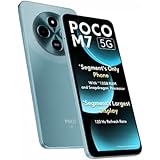
POCO M7 5G, Ocean Blue (6GB, 128GB)
₹12,438.00 (as of March 26, 2026 22:52 GMT +05:30 - More infoProduct prices and availability are accurate as of the date/time indicated and are subject to change. Any price and availability information displayed on [relevant Amazon Site(s), as applicable] at the time of purchase will apply to the purchase of this product.)
OnePlus Nord CE5 | MediaTek Dimensity | Massive 7100mAh Battery | Powered by OnePlus AI | 128GB 8GB | Black Infinity
₹24,996.00 (as of March 26, 2026 22:52 GMT +05:30 - More infoProduct prices and availability are accurate as of the date/time indicated and are subject to change. Any price and availability information displayed on [relevant Amazon Site(s), as applicable] at the time of purchase will apply to the purchase of this product.)
Motorola G57 Power 5G (Fluidity, 8GB RAM, 128GB Storage)| Snapdragon 6s Gen 4 Processor | 6.72" FHD+ Display | 50MP LYT-600 + 8MP Ultrawide | 8MP Selfie Camera | 7000mAh Battery, 33W TurboPower | IP64
₹14,915.00 (as of March 26, 2026 22:52 GMT +05:30 - More infoProduct prices and availability are accurate as of the date/time indicated and are subject to change. Any price and availability information displayed on [relevant Amazon Site(s), as applicable] at the time of purchase will apply to the purchase of this product.)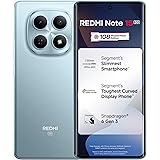
REDMI Note 15 5G (Glacier Blue, 8GB RAM 256GB Storage) | 108MP OIS Camera | Snapdragon 6 Gen 3 | 17.2cm Tough Curved AMOLED Screen | Segment’s Slimmest Phone | 5520mAh Si/C Battery | 45W Fast Charging
₹24,998.00 (as of March 26, 2026 22:52 GMT +05:30 - More infoProduct prices and availability are accurate as of the date/time indicated and are subject to change. Any price and availability information displayed on [relevant Amazon Site(s), as applicable] at the time of purchase will apply to the purchase of this product.)
OnePlus 15R | 12GB+256GB | Charcoal Black | World's First Snapdragon® 8 Gen 5 | 7400mAh Battery | Personalised AI | Game-Changing 165Hz Display | IP68 IP69 IP66 & IP69K | 4K 120fps Video
₹47,997.00 (as of March 26, 2026 22:52 GMT +05:30 - More infoProduct prices and availability are accurate as of the date/time indicated and are subject to change. Any price and availability information displayed on [relevant Amazon Site(s), as applicable] at the time of purchase will apply to the purchase of this product.)
OpenTech® Privacy Military-Grade Gorilla Tempered Glass Screen Protector for Samsung Galaxy S24 Ultra with Edge to Edge Coverage - Case Friendly, Anti-scratch and Bubble free installation kit
₹299.00 (as of March 26, 2026 22:52 GMT +05:30 - More infoProduct prices and availability are accurate as of the date/time indicated and are subject to change. Any price and availability information displayed on [relevant Amazon Site(s), as applicable] at the time of purchase will apply to the purchase of this product.)
Motorola G57 Power 5G (Corsair, 8GB RAM, 128GB Storage) | Snapdragon 6s Gen 4 Processor | 6.72" FHD+ Display | 50MP LYT-600 + 8MP Ultrawide | 8MP Selfie Camera | 7000mAh Battery, 33W TurboPower | IP64
₹14,906.00 (as of March 26, 2026 22:52 GMT +05:30 - More infoProduct prices and availability are accurate as of the date/time indicated and are subject to change. Any price and availability information displayed on [relevant Amazon Site(s), as applicable] at the time of purchase will apply to the purchase of this product.)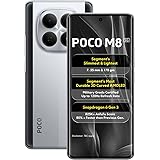
Poco M8 5G Frost Silver 6GB RAM 128GB ROM
₹16,699.00 (as of March 26, 2026 22:52 GMT +05:30 - More infoProduct prices and availability are accurate as of the date/time indicated and are subject to change. Any price and availability information displayed on [relevant Amazon Site(s), as applicable] at the time of purchase will apply to the purchase of this product.)