At one point in my life, I found myself surrounded by eldest daughters. Each of us carried the same invisible burden: stress about managing expectations of family, friends, partners, larger ecosystems, and themselves. We were united by our soaring cortisol level, looming threat of diabetes and blood pressure, frequent fluctuations in weight, stress eating and the biggest of them all, a perpetual feeling of burnout due to hitting caregiving fatigue.
“Eldest daughters are almost wired to handle it all: from family responsibilities to emotional support, overachieving professional roles and looking after the siblings,” shares Dr Almas Fatma, a Mumbai-based family physician and a digital health AI expert. Fatigue starts to show up as headaches or body aches. We feel tired after resting, chronically drained. This leads to disruptions in the sleep cycle, impacting our hormones, gut health and our mental health.
“In my experience, the mental load of this role exacts a heavy toll: chronic stress, hypervigilance and self-sacrifice that result in both physical and mental health challenges. These women must model perfection for younger siblings, maintain the family’s reputation, fulfil domestic duties and carry the emotional labour of the entire family system,” adds Priya Rednam-Waldo, a US-based licensed clinical therapist, specialising in women’s and maternal mental health for South Asian women.
Eventually, the body forces rest through illness or impaired functioning, adds Rednam-Waldo, when women are unable to choose rest for themselves. Her words hit close. Eldest daughters are known for hyper-independence; the belief that asking for help is a weakness. I’ve been guilty of it too. The instinct to hold everything together can feel like a badge of honour, until it becomes a slow act of self-erasure.
A growing awareness of how birth order shapes well-being has prompted experts to look at the prevention of eldest daughter burnout, rather than recovery. “With my clients, healing for eldest daughter burnout starts with this recognition: being a ‘good daughter’ shouldn’t cost you your health, fulfilment or joy,” says Rednam-Waldo. “You can honour your family and care about others while still valuing your own identity and wellbeing.”
So what does healing eldest daughter burnout look like?
1. Reflect regularly. “Talk to yourself,” suggests Dr Fatma. “When you can name your emotions, you begin to understand what’s nourishing you and what’s pushing you towards burnout.”
2. Get your numbers checked. Dr Fatma recommends regular full-body check-ups, including thyroid, sugar parameters, vitamin D, B12, magnesium, B6, folic acid, liver profile and complete blood count. “It’s a way of keeping tabs on the internal stress your body might be carrying.”
3. Eat and move on time. “Running on small fuels will only push cortisol higher,” she explains. Prioritise balanced meals and daily movement—any form that sparks joy rather than guilt.
4. Ask for help. “Delegating is a survival skill,” says Rednam-Waldo. “Eldest daughters often wait until collapse to reach out. But seeking help before the breakdown is how you prevent it.”
Source link

Nokia All-new 105 Single Sim Keypad Phone with Built-in UPI Payments, Long-Lasting Battery, Wireless FM Radio| 1 Year Replacement Guarantee | Charcoal
₹1,199.00 (as of March 23, 2026 22:29 GMT +05:30 - More infoProduct prices and availability are accurate as of the date/time indicated and are subject to change. Any price and availability information displayed on [relevant Amazon Site(s), as applicable] at the time of purchase will apply to the purchase of this product.)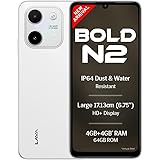
Lava Bold N2 (Siachen White, 4 GB RAM, 64 GB Storage) | 13MP AI Dual Rear Camera | Largest 6.75" HD+ Display | 5000 mAh Battery & 10W Charging | IP64 Water & Dust Proof | Charger & Phone-Case in Box
₹7,499.00 (as of March 23, 2026 22:29 GMT +05:30 - More infoProduct prices and availability are accurate as of the date/time indicated and are subject to change. Any price and availability information displayed on [relevant Amazon Site(s), as applicable] at the time of purchase will apply to the purchase of this product.)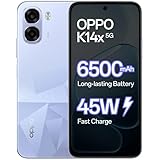
OPPO k14x 5g (Ice Blue) (4gb+128gb)
₹13,589.00 (as of March 23, 2026 22:29 GMT +05:30 - More infoProduct prices and availability are accurate as of the date/time indicated and are subject to change. Any price and availability information displayed on [relevant Amazon Site(s), as applicable] at the time of purchase will apply to the purchase of this product.)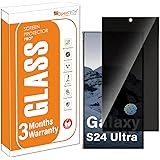
OpenTech® Privacy Military-Grade Gorilla Tempered Glass Screen Protector for Samsung Galaxy S24 Ultra with Edge to Edge Coverage - Case Friendly, Anti-scratch and Bubble free installation kit
₹299.00 (as of March 23, 2026 22:29 GMT +05:30 - More infoProduct prices and availability are accurate as of the date/time indicated and are subject to change. Any price and availability information displayed on [relevant Amazon Site(s), as applicable] at the time of purchase will apply to the purchase of this product.)
Xiaomi Power Bank 4i 20000mAh 33W Super Fast Charging PD |Smart 12 Layer Protection|Type C Input & Output|Triple Output Ports|Supports Android,Apple, Tablets, Earbuds,Watch(MI Powerbank),Black
₹2,199.00 (as of March 23, 2026 22:29 GMT +05:30 - More infoProduct prices and availability are accurate as of the date/time indicated and are subject to change. Any price and availability information displayed on [relevant Amazon Site(s), as applicable] at the time of purchase will apply to the purchase of this product.)
Ambrane Magsafe Wireless 10000Mah Fast Charging USB Type-C Input Power Bank, Strong Magnet, 22.5W Output For iPhone 12 & Above, Android & Other Qi Enabled Devices + Magnetic Ring (Aerosync Snap, Blue)
₹1,499.00 (as of March 23, 2026 22:29 GMT +05:30 - More infoProduct prices and availability are accurate as of the date/time indicated and are subject to change. Any price and availability information displayed on [relevant Amazon Site(s), as applicable] at the time of purchase will apply to the purchase of this product.)
APFEN® 27W Type C to Lightning Fast Charging Cable With High-Speed Data Transfer Compatible with iPhone 14/14 Pro/ 14 Pro Max/ 13/13 Pro/ 13 ProMax/ 12/11/XR/XS/X/8 S
₹272.00 (as of March 23, 2026 22:29 GMT +05:30 - More infoProduct prices and availability are accurate as of the date/time indicated and are subject to change. Any price and availability information displayed on [relevant Amazon Site(s), as applicable] at the time of purchase will apply to the purchase of this product.)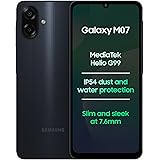
Samsung Galaxy M07 Mobile (Black, 4GB RAM, 64GB Storage) | MediaTek Helio G99 | AnTuTu 624K | IP54| 50MP Camera | 7.6mm Slim | 5000mAh Battery | 25W Fast Charging | 6 Gen OS Upgrades | Without Charger
₹7,999.00 (as of March 23, 2026 22:29 GMT +05:30 - More infoProduct prices and availability are accurate as of the date/time indicated and are subject to change. Any price and availability information displayed on [relevant Amazon Site(s), as applicable] at the time of purchase will apply to the purchase of this product.)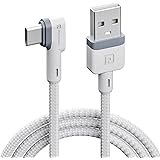
Portronics Konnect L POR-1403 Fast Charging 3A Type-C Cable 1.2 Meter with Charge & Sync Function for All Type-C Devices (White)
₹119.00 (as of March 23, 2026 22:29 GMT +05:30 - More infoProduct prices and availability are accurate as of the date/time indicated and are subject to change. Any price and availability information displayed on [relevant Amazon Site(s), as applicable] at the time of purchase will apply to the purchase of this product.)