
Combining the three can make for what Halperin describes as the ideal “post-workout trifecta.” She lists yoghurt and fruit, peanut butter sandwiches, turkey on wholegrain bread with vegetables, hummus with wholewheat pita and veggies, and chicken with brown rice as some of the simple combos you can make yourself after exercising.
Refuel
To replenish your energy, you’ll need carbs, especially if you’re training for several hours or multiple times a day. Stangland says that complex carbohydrates (AKA minimally processed whole foods) are the best types of carbs as they will provide a rich source of vitamins, minerals and fibres. Complex carbohydrates also take longer to digest, increasing the feeling of satiety and providing energy that lasts. They also keep those dreaded blood sugar spikes at bay.
Some examples of complex carbohydrates include whole grains, brown rice, legumes, quinoa, sweet potatoes, vegetables and fruits like bananas.
Repair
Protein helps repair and build muscle. To help the body maximise muscle growth, studies show that we should aim for 20 to 40 grams post-workout. Good sources of protein are eggs, Greek yoghurt, beans, tofu, tempeh, fish, shellfish, chicken and turkey.
Another thing Stangland says to look for? Foods with a high leucine content, like chicken, fish and cheese. These foods contain amino acids that turn on muscle protein synthesis. There’s even some evidence to suggest that leucine may help improve muscle recovery and reduce inflammation.
Recovery
Speaking of recovery, eating both carbs and protein will definitely help on that front too. Halperin points to studies that show consuming carbohydrates in a 3:1 ratio to protein is the most beneficial for post-workout.
But that doesn’t mean there aren’t other foods you should consider working into your post-workout meal as well.
“Anti-inflammatory foods are great after a workout to help with recovery and for reducing muscle soreness,” explains Stangland. “These could be tart cherries, turmeric, dark leafy greens and deep-coloured wild berries.”
You may want to add omega-3 fats, like those found in salmon, olive oil, walnuts, flax seeds and chia seeds, as well. Studies show that just one week of eating foods rich in omega-3 can help reduce muscle damage.
Other nutrients to consider? Magnesium and vitamin E. In fact, Asche is a big proponent of both for their ability to support the muscles through soreness while reducing inflammation and oxidative stress. (She notes that research has found that almonds are helpful in exercise recovery.)
Fats
So what about fats? Turns out eating healthy, low-fat, natural foods may also be beneficial after you exercise. “You can absolutely incorporate some fat in your post-workout meal or snack; I just recommend prioritising sources of monounsaturated and polyunsaturated fat,” says Asche. To that end, she lists olives, olive oil, avocado, fatty fish like salmon and sardines, nuts like almonds and seeds as healthy fats to look for.
Source link

OnePlus Pad Go 2, 30.73 cm (12.1 inch) 2.8K Display, Dolby Vision™, 120Hz Refresh Rate, Quad Speakers, AI, 10050 mAh Battery, Wi-Fi Tablet, 8GB RAM 128 GB Storage, Shadow Black
₹26,999.00 (as of March 22, 2026 22:25 GMT +05:30 - More infoProduct prices and availability are accurate as of the date/time indicated and are subject to change. Any price and availability information displayed on [relevant Amazon Site(s), as applicable] at the time of purchase will apply to the purchase of this product.)
iQOO Neo 10R 5G (Moonknight Titanium, 8GB RAM, 256GB Storage) | Snapdragon 8s Gen 3 Processor | India's Slimmest 6400mAh Battery Smartphone | Segment's Most Stable 90FPS for 5 Hours
₹28,998.00 (as of March 22, 2026 22:25 GMT +05:30 - More infoProduct prices and availability are accurate as of the date/time indicated and are subject to change. Any price and availability information displayed on [relevant Amazon Site(s), as applicable] at the time of purchase will apply to the purchase of this product.)
Erams Online for iPhone 13 |Convert to 17 pro /17 Pro Max Style Premium Back Glass Converter Cover Magnetic Case for iPhone 13 |Convert to 17 pro /17 Pro Max (Orange)
₹460.00 (as of March 22, 2026 22:25 GMT +05:30 - More infoProduct prices and availability are accurate as of the date/time indicated and are subject to change. Any price and availability information displayed on [relevant Amazon Site(s), as applicable] at the time of purchase will apply to the purchase of this product.)
REDMI Note 15 Pro+ 5G (Coffee Mocha, 8GB + 256GB) | 200MasterPixel OIS Camera | Snapdragon 7s Gen 4 | CrystalRes AMOLED | IP69/69K | 6500mAh Si/C Battery | 100W HyperCharge
₹37,999.00 (as of March 22, 2026 22:25 GMT +05:30 - More infoProduct prices and availability are accurate as of the date/time indicated and are subject to change. Any price and availability information displayed on [relevant Amazon Site(s), as applicable] at the time of purchase will apply to the purchase of this product.)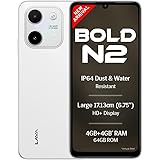
Lava Bold N2 (Siachen White, 4 GB RAM, 64 GB Storage) | 13MP AI Dual Rear Camera | Largest 6.75" HD+ Display | 5000 mAh Battery & 10W Charging | IP64 Water & Dust Proof | Charger & Phone-Case in Box
₹7,499.00 (as of March 22, 2026 22:25 GMT +05:30 - More infoProduct prices and availability are accurate as of the date/time indicated and are subject to change. Any price and availability information displayed on [relevant Amazon Site(s), as applicable] at the time of purchase will apply to the purchase of this product.)
OnePlus 15 | 12GB+256GB | Infinite Black | India's First Snapdragon® 8 Elite Gen 5 | 7300mAh Battery | Personalised AI | Game-Changing 165Hz Display | Triple 50MP Camera with 4K 120fps Dolby Vision
₹72,999.00 (as of March 22, 2026 22:25 GMT +05:30 - More infoProduct prices and availability are accurate as of the date/time indicated and are subject to change. Any price and availability information displayed on [relevant Amazon Site(s), as applicable] at the time of purchase will apply to the purchase of this product.)
realme P4x 5G Smartphone, Lake Green, 6GB RAM, 128GB Storage
₹15,499.00 (as of March 22, 2026 22:25 GMT +05:30 - More infoProduct prices and availability are accurate as of the date/time indicated and are subject to change. Any price and availability information displayed on [relevant Amazon Site(s), as applicable] at the time of purchase will apply to the purchase of this product.)
OnePlus Nord CE5 | MediaTek Dimensity | Massive 7100mAh Battery | Powered by OnePlus AI | 128GB 8GB | Black Infinity
₹24,996.00 (as of March 22, 2026 22:25 GMT +05:30 - More infoProduct prices and availability are accurate as of the date/time indicated and are subject to change. Any price and availability information displayed on [relevant Amazon Site(s), as applicable] at the time of purchase will apply to the purchase of this product.)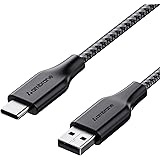
Ambrane Unbreakable 3A Fast Charging 1.5m Braided Type C Cable for Smartphones, Tablets & other Type C devices, 480Mbps Data Sync, Quick Charge 3.0 (RCT15A, Black)
₹149.00 (as of March 22, 2026 22:25 GMT +05:30 - More infoProduct prices and availability are accurate as of the date/time indicated and are subject to change. Any price and availability information displayed on [relevant Amazon Site(s), as applicable] at the time of purchase will apply to the purchase of this product.)