Cold plunging and cryotherapy may be trending on wellness feeds now, but for many Indian households, the original version came without branding or biohacking. A steel bucket. Chilled water. No geyser. A morning routine of a cold water bucket bath that left you gasping and reborn.
At the Fairmont Mumbai’s Spa & Longevity, that same philosophy takes a more high-tech form. The Blu Xone is their longevity centre, named as a nod to the world’s Blue Zones, regions often associated with longevity and sustained well-being. Longevity, here, draws on the idea of increasing not just lifespan but healthspan. On offer are performance-driven treatments like cryotherapy, hyperbaric oxygen, red light therapy, intermittent vacuum therapy (IVT) and more, each designed to optimise recovery, metabolism and circulation.
I arrived with a question: could cryotherapy fix the ache in my lower back?
“It’s mainly for recovery and rejuvenation,” said Dr Rashmi Ambastha, director of spa, wellness and recreation. “Post-workout, it helps eliminate soreness and pain. But it’s also good for healing. And it improves skin texture and metabolism, too. I prefer to call it age-defying, not anti-ageing.”
A standard cryotherapy session is simple in theory. Enter a chamber cooled to -85°C, stay for three minutes while dressed in socks, gloves, earmuffs and a face mask, and move continuously to maintain circulation. But once you’re in, theory melts.
I walked into the cryotherapy chamber in a paper-thin gown. The cold didn’t sting. It stunned. A clinical, airless absence of warmth. My first instinct was to freeze in place. But I remembered what Dr Ambastha had said earlier: “You’re not supposed to be standing still. That’s when it becomes uncomfortable. You can dance, move, stretch… just keep the joints warm.” The spa therapist who stood outside the cryochamber to monitor me at all times tapped on the door and started a little jig.
And so I followed her. Moving onto a patchwork routine of PT drills and mid-2000s movie-inspired hula steps, cobbled together under pressure.
Inside, the body enters survival mode. “Vasoconstriction starts immediately,” she explained. “The blood vessels narrow, pulling blood to your core to maintain temperature. Then once you step out, vasodilation kicks in. The blood rushes back, carrying mood-boosting endorphins and norepinephrine through your body. It’s like swapping your espresso shot for something more powerful and without the crash.”
Source link
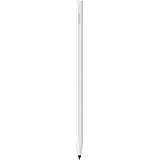
OnePlus Pad Go 2 Stylo OPN2502 White in
₹3,999.00 (as of March 26, 2026 22:52 GMT +05:30 - More infoProduct prices and availability are accurate as of the date/time indicated and are subject to change. Any price and availability information displayed on [relevant Amazon Site(s), as applicable] at the time of purchase will apply to the purchase of this product.)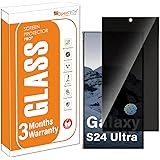
OpenTech® Privacy Military-Grade Gorilla Tempered Glass Screen Protector for Samsung Galaxy S24 Ultra with Edge to Edge Coverage - Case Friendly, Anti-scratch and Bubble free installation kit
₹299.00 (as of March 26, 2026 22:52 GMT +05:30 - More infoProduct prices and availability are accurate as of the date/time indicated and are subject to change. Any price and availability information displayed on [relevant Amazon Site(s), as applicable] at the time of purchase will apply to the purchase of this product.)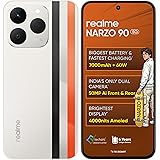
realme narzo 90 5G (Victory Gold,6GB+128GB) | 7000mAh Biggest Battery | 60W Fastest Charging | 50MP Front & Rear AI Cameras | 4000nits Brightest Display | AI Assist | IP69 Dust & Water Resistance
₹16,249.00 (as of March 26, 2026 22:52 GMT +05:30 - More infoProduct prices and availability are accurate as of the date/time indicated and are subject to change. Any price and availability information displayed on [relevant Amazon Site(s), as applicable] at the time of purchase will apply to the purchase of this product.)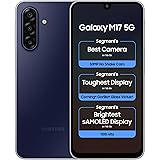
Samsung Galaxy M17 5G Mobile (Sapphire Black, 6GB RAM, 128GB Storage) | 50MP OIS Triple Camera | Gorilla Glass Victus | IP54 | 6 Gen OS Upgrades | AI | Gemini Live | Lag-Free Gaming | Without Charger
₹15,499.00 (as of March 26, 2026 22:52 GMT +05:30 - More infoProduct prices and availability are accurate as of the date/time indicated and are subject to change. Any price and availability information displayed on [relevant Amazon Site(s), as applicable] at the time of purchase will apply to the purchase of this product.)
iQOO Z11x 5G (Prismatic Green, 8GB RAM, 256 GB Storage) | Dimensity 7400-Turbo Processor | 7200 mAh Battery Smartphone | Powered by OriginOS 6
₹22,998.00 (as of March 26, 2026 22:52 GMT +05:30 - More infoProduct prices and availability are accurate as of the date/time indicated and are subject to change. Any price and availability information displayed on [relevant Amazon Site(s), as applicable] at the time of purchase will apply to the purchase of this product.)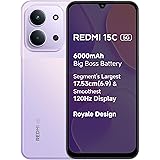
REDMI 15C 5G Dusk Purple 6GB + 128GB | Royale Design | Massive 6000mAh Battery | Segment's Largest 17.53cm Display Up to 120Hz | MediaTek Dimensity 6300 | 33W Fast Charging | 50MP AI Dual Camera
₹15,499.00 (as of March 26, 2026 22:52 GMT +05:30 - More infoProduct prices and availability are accurate as of the date/time indicated and are subject to change. Any price and availability information displayed on [relevant Amazon Site(s), as applicable] at the time of purchase will apply to the purchase of this product.)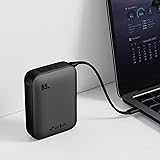
URBN 20000mAh 65W Smallest Rapid Charging Nano Power Bank with Inbuilt USB-C Cable | PD, QC & PPS Compatible | Dual Output Compact Power Bank for Laptop, Smartphone & Tablet
₹2,499.00 (as of March 26, 2026 22:52 GMT +05:30 - More infoProduct prices and availability are accurate as of the date/time indicated and are subject to change. Any price and availability information displayed on [relevant Amazon Site(s), as applicable] at the time of purchase will apply to the purchase of this product.)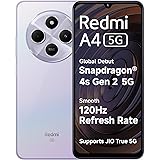
Redmi A4 5G (Sparkle Purple, 4GB RAM, 128GB Storage) | Segment Largest 6.88in 120Hz | 50MP Dual Camera | 18W Fast Charging | Charger in the Box
₹11,999.00 (as of March 26, 2026 22:52 GMT +05:30 - More infoProduct prices and availability are accurate as of the date/time indicated and are subject to change. Any price and availability information displayed on [relevant Amazon Site(s), as applicable] at the time of purchase will apply to the purchase of this product.)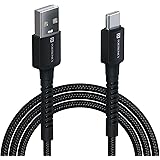
Portronics Konnect X USB to Type C Cable with 3A Output, Fast Charging & Data Transfer, Nylon Braided, Aluminium Alloy Shell, 1M Length compatible with Type C Smartphones(Black)
₹129.00 (as of March 26, 2026 22:52 GMT +05:30 - More infoProduct prices and availability are accurate as of the date/time indicated and are subject to change. Any price and availability information displayed on [relevant Amazon Site(s), as applicable] at the time of purchase will apply to the purchase of this product.)