You woke up early, meditated (or at least meant to), brewed your coffee and scanned your inbox before breakfast. And yet, your chest is tight, your thoughts feel jumpy and you’re on edge before 10 am.
It’s not just your to-do list. Your cortisol levels naturally peak in the morning, but when paired with low blood sugar, poor hydration or a hit of caffeine on an empty stomach, that rise can turn into a hormonal surge. What follows is swings between anxiety, brain fog and a crash that leaves you both wired and tired.
A cortisol-smart breakfast is less about rigid rules and more about building a plate that buffers stress. The right combination of carbohydrates, protein, fat and hydration can blunt that early cortisol peak and help lower cortisol naturally, giving you the fuel to think clearly—and feel steady—through your most demanding hours.
Choose low glycaemic carbs for steadier energy
Skip refined carbohydrates and start with complex carbs like oats, sweet potatoes or wholegrain bread. These digest slowly and help reduce the likelihood of blood sugar—and cortisol—spikes. The aim is to lower cortisol by preventing the rapid insulin fluctuations that can set off your body’s stress alarms.
A 2011 study published in the British Journal of Nutrition found that children consuming high glycaemic index (GI) breakfasts experienced significantly higher cortisol levels post-meal compared to those who had low GI breakfasts. While the study focused on children, the implications for adults are similar when it comes to stress and cognitive function.
Try: Steel-cut oats with sliced banana and flaxseed, or sweet potato toast with ricotta and roasted seeds.
Pair carbs with fat and protein to blunt cortisol spikes
Macronutrient balance matters. Protein and fat help slow digestion, preventing blood sugar fluctuations that can exacerbate stress hormone production. When balanced correctly, meals can help lower cortisol throughout the morning.
According to a 2022 review in Nutrients, balanced macronutrient composition—particularly protein and fat—helps modulate the hypothalamic–pituitary–adrenal (HPA) axis, which controls cortisol secretion.
Try: Scrambled eggs with sautéed spinach and wholegrain toast, or Greek yoghurt with nut butter and berries.
Don’t skip breakfast
Skipping your first meal of the day can leave cortisol elevated for longer, particularly in people with irregular stress responses. A consistent morning meal can stabilise hormonal rhythms and lower cortisol reactivity throughout the day.
Source link

Xiaomi Power Bank 4i 20000mAh 33W Super Fast Charging PD |Smart 12 Layer Protection|Type C Input & Output|Triple Output Ports|Supports Android,Apple, Tablets, Earbuds,Watch(MI Powerbank),Black
₹2,199.00 (as of March 26, 2026 22:52 GMT +05:30 - More infoProduct prices and availability are accurate as of the date/time indicated and are subject to change. Any price and availability information displayed on [relevant Amazon Site(s), as applicable] at the time of purchase will apply to the purchase of this product.)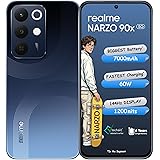
realme NARZO 90x 5G (Marine Blue,4GB+128GB) |7000mAh + 60W Biggest Battery & Fastest Charging in The Segment* | 144Hz Bright Display | Sony 50MP AI Rear Camera | AI Assist | 400% Ultra Boom Speaker
₹12,999.00 (as of March 26, 2026 22:52 GMT +05:30 - More infoProduct prices and availability are accurate as of the date/time indicated and are subject to change. Any price and availability information displayed on [relevant Amazon Site(s), as applicable] at the time of purchase will apply to the purchase of this product.)
APFEN® 27W Type C to Lightning Fast Charging Cable With High-Speed Data Transfer Compatible with iPhone 14/14 Pro/ 14 Pro Max/ 13/13 Pro/ 13 ProMax/ 12/11/XR/XS/X/8 S
₹259.00 (as of March 26, 2026 22:52 GMT +05:30 - More infoProduct prices and availability are accurate as of the date/time indicated and are subject to change. Any price and availability information displayed on [relevant Amazon Site(s), as applicable] at the time of purchase will apply to the purchase of this product.)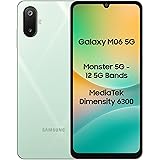
Samsung Galaxy M06 5G Mobile (Sage Green, 6GB RAM, 128GB Storage) | MediaTek Dimensity 6300 | AnTuTu 623K+ | 12 5G Bands | 25W Fast Charging | 4 Gen OS Upgrades | 50MP Camera | Without Charger
₹11,999.00 (as of March 26, 2026 22:52 GMT +05:30 - More infoProduct prices and availability are accurate as of the date/time indicated and are subject to change. Any price and availability information displayed on [relevant Amazon Site(s), as applicable] at the time of purchase will apply to the purchase of this product.)
Portronics Bridge Y USB 3.0 to Type C OTG Adaptor, 10Gbps High Speed Data Transfer, Thunderbolt to USB Adapter, Compatible for All Type C Devices, Smartphone, Laptops, Tablets, Chargers, MacBook
₹109.00 (as of March 26, 2026 22:52 GMT +05:30 - More infoProduct prices and availability are accurate as of the date/time indicated and are subject to change. Any price and availability information displayed on [relevant Amazon Site(s), as applicable] at the time of purchase will apply to the purchase of this product.)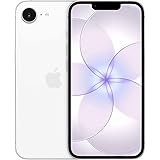
iPhone 17e 256 GB: 15.40 cm (6.1″) Super Retina XDR Display, A19 Chip, All-Day Battery Life, 48MP Fusion Camera, 256GB Starting Storage; White
Now retrieving the price.
(as of March 26, 2026 22:52 GMT +05:30 - More infoProduct prices and availability are accurate as of the date/time indicated and are subject to change. Any price and availability information displayed on [relevant Amazon Site(s), as applicable] at the time of purchase will apply to the purchase of this product.)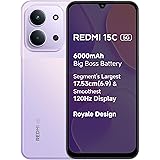
REDMI 15C 5G Dusk Purple 6GB + 128GB | Royale Design | Massive 6000mAh Battery | Segment's Largest 17.53cm Display Up to 120Hz | MediaTek Dimensity 6300 | 33W Fast Charging | 50MP AI Dual Camera
₹15,499.00 (as of March 26, 2026 22:52 GMT +05:30 - More infoProduct prices and availability are accurate as of the date/time indicated and are subject to change. Any price and availability information displayed on [relevant Amazon Site(s), as applicable] at the time of purchase will apply to the purchase of this product.)
Nokia All-new 105 Single Sim Keypad Phone with Built-in UPI Payments, Long-Lasting Battery, Wireless FM Radio| 1 Year Replacement Guarantee | Charcoal
₹1,199.00 (as of March 26, 2026 22:52 GMT +05:30 - More infoProduct prices and availability are accurate as of the date/time indicated and are subject to change. Any price and availability information displayed on [relevant Amazon Site(s), as applicable] at the time of purchase will apply to the purchase of this product.)
Samsung Original 25W USB Type-C Travel Adaptor Without Cable for Google Pixel, Xiaomi, Motorola, iPhone, Samsung Galaxy Tab S/A Series, Galaxy S10/M54/M55/A80/A90/S25/S24, White
₹785.00 (as of March 26, 2026 22:52 GMT +05:30 - More infoProduct prices and availability are accurate as of the date/time indicated and are subject to change. Any price and availability information displayed on [relevant Amazon Site(s), as applicable] at the time of purchase will apply to the purchase of this product.)