For example, Malone says, simple carbohydrates (including sugars) cause an immediate blood sugar spike followed by a steep drop, setting those alarm bells off. Yes, they’ll raise your blood sugar and improve your energy in the short term—great for an acute plunge like we mentioned above—but they’ll ultimately only create a vicious cycle that’ll leave you right back where you started. That’s why your meals and snacks should represent a balance of all three macros: carbs as well as protein and fats. “That would result in a much more steady, stable blood sugar where you wouldn’t have this kind of up and down,” Malone says.
What and how much you eat aren’t the only factors that affect blood sugar fluctuations, however, according to Malone. Genetic differences, menstruation, sleep quality, certain health conditions like diabetes or hormonal imbalances, and lifestyle factors (say, chronic stress or limited physical activity) may play a role as well, to name a few others.
But your environment can come into play too…
Habit and custom can be powerful forces, so you can inadvertently train your body to expect sweet foods under certain circumstances. In this case, your sugar cravings are the result of “a routine that gets ingrained,” Malone explains.
If you always swing by a coffee shop to pick up a latte on your way to work, you might start to experience sugar cravings in the morning. If you always eat dessert after dinner, they might pop up after you finish your evening meal. Finally, if you always have eggnog or cutout cookies at Christmas, they could pay a holiday visit after you glitz your tree out.
Your body learns to associate specific locations, times, and occasions with a sugar hit, according to Malone, so as that nears, your body starts to anticipate that sweet treat.
…and don’t discount your emotional state, either
Many people have strong positive or negative feelings about sugar that can influence their cravings, according to Tsui. Sugar, after all, occupies an unusual niche in the food sphere—simultaneously revered for its enticing taste and demonised for its close ties to “junk food.”
On one hand, some folks think of sweet stuff “as comforting, as being a treat,” Tsui says. In response, they may crave sweet foods for the associated psychological benefits, like a temporary mood boost when they need that comfort, she says. Sometimes, these cravings can even amount to a form of self-medication—a way to “manage difficult or intense emotions,” Tsui says. (Hence the term “comfort food.”)
Source link
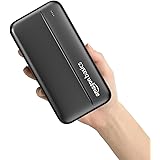
Amazon Basics 20000 mAh Power Bank | 22.5W Fast Charging | Dual Output & Input | Charge 3 Devices Simultaneously | for Smartphones, TWS Earbuds, Speakers, Tablets (Black)
Now retrieving the price.
(as of March 25, 2026 22:48 GMT +05:30 - More infoProduct prices and availability are accurate as of the date/time indicated and are subject to change. Any price and availability information displayed on [relevant Amazon Site(s), as applicable] at the time of purchase will apply to the purchase of this product.)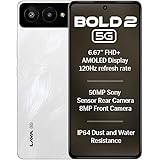
Lava Bold 2 5G (Feather White, 6 GB RAM, 128 GB Storage) | 6.67" FHD+ AMOLED Display | MTK D7060 Processor | 50 MP Front Camera | LPDDR5 UFS 3.1 ROM | 5000 mAh | 33W Fast Charging
₹13,999.00 (as of March 25, 2026 22:48 GMT +05:30 - More infoProduct prices and availability are accurate as of the date/time indicated and are subject to change. Any price and availability information displayed on [relevant Amazon Site(s), as applicable] at the time of purchase will apply to the purchase of this product.)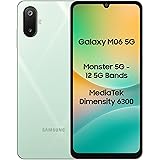
Samsung Galaxy M06 5G Mobile (Sage Green, 6GB RAM, 128GB Storage) | MediaTek Dimensity 6300 | AnTuTu 623K+ | 12 5G Bands | 25W Fast Charging | 4 Gen OS Upgrades | 50MP Camera | Without Charger
₹11,999.00 (as of March 25, 2026 22:48 GMT +05:30 - More infoProduct prices and availability are accurate as of the date/time indicated and are subject to change. Any price and availability information displayed on [relevant Amazon Site(s), as applicable] at the time of purchase will apply to the purchase of this product.)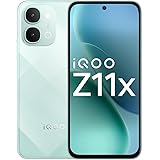
iQOO Z11x 5G (Prismatic Green, 8GB RAM, 256 GB Storage) | Dimensity 7400-Turbo Processor | 7200 mAh Battery Smartphone | Powered by OriginOS 6
₹22,998.00 (as of March 25, 2026 22:48 GMT +05:30 - More infoProduct prices and availability are accurate as of the date/time indicated and are subject to change. Any price and availability information displayed on [relevant Amazon Site(s), as applicable] at the time of purchase will apply to the purchase of this product.)
realme narzo 90 5G (Victory Gold,6GB+128GB) | 7000mAh Biggest Battery | 60W Fastest Charging | 50MP Front & Rear AI Cameras | 4000nits Brightest Display | AI Assist | IP69 Dust & Water Resistance
₹16,249.00 (as of March 25, 2026 22:48 GMT +05:30 - More infoProduct prices and availability are accurate as of the date/time indicated and are subject to change. Any price and availability information displayed on [relevant Amazon Site(s), as applicable] at the time of purchase will apply to the purchase of this product.)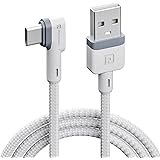
Portronics Konnect L POR-1403 Fast Charging 3A Type-C Cable 1.2 Meter with Charge & Sync Function for All Type-C Devices (White)
₹119.00 (as of March 25, 2026 22:48 GMT +05:30 - More infoProduct prices and availability are accurate as of the date/time indicated and are subject to change. Any price and availability information displayed on [relevant Amazon Site(s), as applicable] at the time of purchase will apply to the purchase of this product.)
OnePlus Pad Go 2, 30.73 cm (12.1 inch) 2.8K Display, Dolby Vision™, 120Hz Refresh Rate, Quad Speakers, AI, 10050 mAh Battery, Wi-Fi Tablet, 8GB RAM 128 GB Storage, Shadow Black
₹26,999.00 (as of March 25, 2026 22:48 GMT +05:30 - More infoProduct prices and availability are accurate as of the date/time indicated and are subject to change. Any price and availability information displayed on [relevant Amazon Site(s), as applicable] at the time of purchase will apply to the purchase of this product.)
OnePlus Pad Go 2 Stylo OPN2502 White in
₹3,999.00 (as of March 25, 2026 22:48 GMT +05:30 - More infoProduct prices and availability are accurate as of the date/time indicated and are subject to change. Any price and availability information displayed on [relevant Amazon Site(s), as applicable] at the time of purchase will apply to the purchase of this product.)
APFEN® 27W Type C to Lightning Fast Charging Cable With High-Speed Data Transfer Compatible with iPhone 14/14 Pro/ 14 Pro Max/ 13/13 Pro/ 13 ProMax/ 12/11/XR/XS/X/8 S
₹259.00 (as of March 25, 2026 22:48 GMT +05:30 - More infoProduct prices and availability are accurate as of the date/time indicated and are subject to change. Any price and availability information displayed on [relevant Amazon Site(s), as applicable] at the time of purchase will apply to the purchase of this product.)