Cheaters suck. That part isn’t controversial. The default advice for dealing with cheating in a relationship usually goes something like: Leave. Block them. Never look back. But what happens when a woman dares to stay? That’s when the spotlight—and shaming—turns on her.
We saw this pattern play out on The Summer I Turned Pretty. Belly, after being cheated on by her boyfriend, Jeremiah, still chooses to marry him—a decision that triggered a torrent of online hate. Since the episode aired, she’s been branded by viewers as insufferable, embarrassing and pathetic. Meanwhile, Jeremiah—the perpetrator—largely escapes the internet’s scrutiny.
In the court of public opinion, it’s the woman forgiving a cheater who becomes the punchline.
According to infidelity experts, this one-sided backlash is hardly surprising—and reflects a broader, sexist double standard: We claim to hate cheaters, but the truth is, we hate the women who refuse to leave them even more.
The double standard that blames women for forgiving a cheater
“Historically, women were often locked into marriages regardless of their well-being,” says Idit Sharoni, LMFT, a couples therapist who leads an infidelity recovery program called It’s Okay to Stay. “Over time, they fought for and won the right to leave unhappy marriages and normalise divorce.” That progress has been so powerful that now, “when a woman chooses to stay, she can be judged just as harshly for not leaving.”
Layered onto that is a cultural narrative that normalises men’s infidelity. “The stereotype is that women don’t need a lot of sex and men do,” says Lauren LaRusso, LPC, LMHC, author of Beyond Infidelity: How to Turn the End of Your Relationship into the Beginning of Your Life. This belief feeds into the perception that unfaithfulness, for men, is inevitable—an expression of biology and instinct, rather than a betrayal—which shifts the burden of judgment onto women. “It becomes deep-seated in our subconscious schemas about the way men and women are socialised, raised and wired,” LaRusso says. “Of course, they’re going to go out and have their needs met, which means only a weak woman would stay and stand for that.”
Case in point: Look at how the public treated Khloé Kardashian after giving Tristan Thompson multiple chances following his cheating scandals. He’s the one who repeatedly wronged and humiliated her, yet it’s Kardashian who has been relentlessly mocked and memed. Even Hillary Clinton’s decision to remain married to Bill was cast less as a reflection of a painful, complex circumstance and more as “evidence” of moral weakness, low intelligence and poor self-esteem. Time and time again, society doesn’t just downplay men’s bad behaviour—it ridicules the women for enduring it.
Why staying after infidelity is more complicated than you think
“We’re quick to judge life decisions through a simple ‘good versus bad’ lens,” Sharoni says. And choosing to be with someone who’s been unfaithful doesn’t fit that script—nor does it leave much room for sympathy.
Source link
realme narzo 90 5G (Victory Gold,6GB+128GB) | 7000mAh Biggest Battery | 60W Fastest Charging | 50MP Front & Rear AI Cameras | 4000nits Brightest Display | AI Assist | IP69 Dust & Water Resistance
₹16,249.00 (as of March 26, 2026 22:52 GMT +05:30 - More infoProduct prices and availability are accurate as of the date/time indicated and are subject to change. Any price and availability information displayed on [relevant Amazon Site(s), as applicable] at the time of purchase will apply to the purchase of this product.)
realme P4x 5G Smartphone, 6GB RAM + 128GB Storage, Matte Silver
₹15,749.00 (as of March 26, 2026 22:52 GMT +05:30 - More infoProduct prices and availability are accurate as of the date/time indicated and are subject to change. Any price and availability information displayed on [relevant Amazon Site(s), as applicable] at the time of purchase will apply to the purchase of this product.)
Samsung Galaxy M17 5G Mobile (Sapphire Black, 6GB RAM, 128GB Storage) | 50MP OIS Triple Camera | Gorilla Glass Victus | IP54 | 6 Gen OS Upgrades | AI | Gemini Live | Lag-Free Gaming | Without Charger
₹15,499.00 (as of March 26, 2026 22:52 GMT +05:30 - More infoProduct prices and availability are accurate as of the date/time indicated and are subject to change. Any price and availability information displayed on [relevant Amazon Site(s), as applicable] at the time of purchase will apply to the purchase of this product.)
OPPO k14x 5g (Ice Blue) (4gb+128gb)
₹13,600.00 (as of March 26, 2026 22:52 GMT +05:30 - More infoProduct prices and availability are accurate as of the date/time indicated and are subject to change. Any price and availability information displayed on [relevant Amazon Site(s), as applicable] at the time of purchase will apply to the purchase of this product.)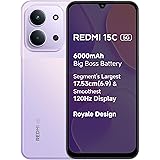
REDMI 15C 5G Dusk Purple 6GB + 128GB | Royale Design | Massive 6000mAh Battery | Segment's Largest 17.53cm Display Up to 120Hz | MediaTek Dimensity 6300 | 33W Fast Charging | 50MP AI Dual Camera
₹15,499.00 (as of March 26, 2026 22:52 GMT +05:30 - More infoProduct prices and availability are accurate as of the date/time indicated and are subject to change. Any price and availability information displayed on [relevant Amazon Site(s), as applicable] at the time of purchase will apply to the purchase of this product.)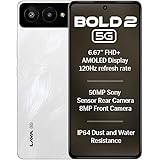
Lava Bold 2 5G (Feather White, 6 GB RAM, 128 GB Storage) | 6.67" FHD+ AMOLED Display | MTK D7060 Processor | 50 MP Front Camera | LPDDR5 UFS 3.1 ROM | 5000 mAh | 33W Fast Charging
₹13,999.00 (as of March 26, 2026 22:52 GMT +05:30 - More infoProduct prices and availability are accurate as of the date/time indicated and are subject to change. Any price and availability information displayed on [relevant Amazon Site(s), as applicable] at the time of purchase will apply to the purchase of this product.)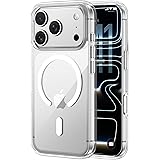
Kratos Transparent Clear Case Cover Compatible with iPhone 17 Pro - Anti-Yellowing, Wireless Magnetic Charging Case with Raised Edge Camera & Screen Protection, Shock-Resistant Design
₹299.00 (as of March 26, 2026 22:52 GMT +05:30 - More infoProduct prices and availability are accurate as of the date/time indicated and are subject to change. Any price and availability information displayed on [relevant Amazon Site(s), as applicable] at the time of purchase will apply to the purchase of this product.)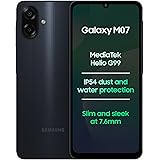
Samsung Galaxy M07 Mobile (Black, 4GB RAM, 64GB Storage) | MediaTek Helio G99 | AnTuTu 624K | IP54| 50MP Camera | 7.6mm Slim | 5000mAh Battery | 25W Fast Charging | 6 Gen OS Upgrades | Without Charger
₹7,999.00 (as of March 26, 2026 22:52 GMT +05:30 - More infoProduct prices and availability are accurate as of the date/time indicated and are subject to change. Any price and availability information displayed on [relevant Amazon Site(s), as applicable] at the time of purchase will apply to the purchase of this product.)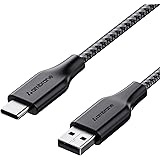
Ambrane Unbreakable 3A Fast Charging 1.5m Braided Type C Cable for Smartphones, Tablets & other Type C devices, 480Mbps Data Sync, Quick Charge 3.0 (RCT15A, Black)
₹149.00 (as of March 26, 2026 22:52 GMT +05:30 - More infoProduct prices and availability are accurate as of the date/time indicated and are subject to change. Any price and availability information displayed on [relevant Amazon Site(s), as applicable] at the time of purchase will apply to the purchase of this product.)