As harmful as it is, this dynamic typically isn’t malicious, Dr. Winley points out, and it usually stems from blurred boundaries. Think of Lorelai Gilmore or Georgia Miller: young mothers who, because of their unstable upbringings, overcompensate by befriending their teenage kids instead of parenting them. In certain households, this pattern might be less about choice and more about survival: When the adult in the room is absent or unavailable, the child has no option other than to care for their siblings and step in as the provider.
So while parentified kids may seem “wise beyond their years,” Dr. Winley says that this maturity masks real harm: They often develop anxiety, guilt or confusion about boundaries, research shows. Not to mention, their mental health will suffer when they’re sacrificing fun, ordinary childhood experiences—forming friendships, pursuing hobbies, having the freedom to just be a kid and mess up—because so much of their energy is consumed by carrying someone else’s heavy burdens.
How to break a parentified relationship, according to psychologists
It’s a blessing to have a relationship so positive with your family that you’re able to cherish those small, lighthearted moments: swapping secrets late at night, laughing over shared gossip, leaning on each other for breakup advice.
Dr. Koslowitz says that “closeness, even a sense of friendship, is okay.” But it shouldn’t be a perfectly even exchange. If your teenager rants about their breakup, you should not, in turn, vent about your issues with their other parent. That’s a line a lot of families miss—which is why it requires the adult to consciously maintain these boundaries. In other words, you, as a parent, can share that you had a rough day at work. But that’s different from relying on your child as your main source of comfort or expecting them to soothe you.
If you’re on the receiving end of parentification, both experts say it’s worth reminding yourself that you shouldn’t be refereeing your parents’ arguments or putting your own life (like friendships and hobbies) on hold. And if these patterns sound familiar to you, know that a professional therapist can help you reflect on and work through them.
The goal of a healthy, thriving parent-child relationship isn’t to sever closeness or outlaw fun. It’s recognising that intimacy shouldn’t come at the cost of someone’s innocent childhood. Kids deserve to be kids, while parents need to take the lead as adults—even if it doesn’t make for an endearing sitcom storyline.
Source link
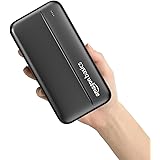
Amazon Basics 20000 mAh Power Bank | 22.5W Fast Charging | Dual Output & Input | Charge 3 Devices Simultaneously | for Smartphones, TWS Earbuds, Speakers, Tablets (Black)
₹899.00 (as of March 23, 2026 22:29 GMT +05:30 - More infoProduct prices and availability are accurate as of the date/time indicated and are subject to change. Any price and availability information displayed on [relevant Amazon Site(s), as applicable] at the time of purchase will apply to the purchase of this product.)
Portronics Bridge Y USB 3.0 to Type C OTG Adaptor, 10Gbps High Speed Data Transfer, Thunderbolt to USB Adapter, Compatible for All Type C Devices, Smartphone, Laptops, Tablets, Chargers, MacBook
₹119.00 (as of March 23, 2026 22:29 GMT +05:30 - More infoProduct prices and availability are accurate as of the date/time indicated and are subject to change. Any price and availability information displayed on [relevant Amazon Site(s), as applicable] at the time of purchase will apply to the purchase of this product.)
iQOO Z11x 5G (Prismatic Green, 8GB RAM, 256 GB Storage) | Dimensity 7400-Turbo Processor | 7200 mAh Battery Smartphone | Powered by OriginOS 6
₹22,998.00 (as of March 23, 2026 22:29 GMT +05:30 - More infoProduct prices and availability are accurate as of the date/time indicated and are subject to change. Any price and availability information displayed on [relevant Amazon Site(s), as applicable] at the time of purchase will apply to the purchase of this product.)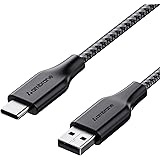
Ambrane Unbreakable 3A Fast Charging 1.5m Braided Type C Cable for Smartphones, Tablets & other Type C devices, 480Mbps Data Sync, Quick Charge 3.0 (RCT15A, Black)
₹149.00 (as of March 23, 2026 22:29 GMT +05:30 - More infoProduct prices and availability are accurate as of the date/time indicated and are subject to change. Any price and availability information displayed on [relevant Amazon Site(s), as applicable] at the time of purchase will apply to the purchase of this product.)
realme P4x 5G Smartphone, Lake Green, 6GB RAM, 128GB Storage
₹15,499.00 (as of March 23, 2026 22:29 GMT +05:30 - More infoProduct prices and availability are accurate as of the date/time indicated and are subject to change. Any price and availability information displayed on [relevant Amazon Site(s), as applicable] at the time of purchase will apply to the purchase of this product.)
Nokia 105 Classic | Single SIM Keypad Phone with Built-in UPI Payments, Long-Lasting Battery, Wireless FM Radio, Without Charger| 1 Year Replacement Guarantee | Charcoal
₹979.00 (as of March 23, 2026 22:29 GMT +05:30 - More infoProduct prices and availability are accurate as of the date/time indicated and are subject to change. Any price and availability information displayed on [relevant Amazon Site(s), as applicable] at the time of purchase will apply to the purchase of this product.)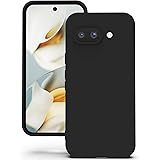
YATWIN Silicone Back Case for Google Pixel 9A, Soft-Touch Phone Back Cover for Google Pixel 9A - Black
₹299.00 (as of March 23, 2026 22:29 GMT +05:30 - More infoProduct prices and availability are accurate as of the date/time indicated and are subject to change. Any price and availability information displayed on [relevant Amazon Site(s), as applicable] at the time of purchase will apply to the purchase of this product.)
APFEN® 27W Type C to Lightning Fast Charging Cable With High-Speed Data Transfer Compatible with iPhone 14/14 Pro/ 14 Pro Max/ 13/13 Pro/ 13 ProMax/ 12/11/XR/XS/X/8 S
₹272.00 (as of March 23, 2026 22:29 GMT +05:30 - More infoProduct prices and availability are accurate as of the date/time indicated and are subject to change. Any price and availability information displayed on [relevant Amazon Site(s), as applicable] at the time of purchase will apply to the purchase of this product.)
TheGiftKart Ultra-Hybrid Crystal Clear Back Case Cover for iPhone 17 | Shockproof Design | Hard Back Cover Case for iPhone 17 (PC & TPU, Transparent)
₹277.00 (as of March 23, 2026 22:29 GMT +05:30 - More infoProduct prices and availability are accurate as of the date/time indicated and are subject to change. Any price and availability information displayed on [relevant Amazon Site(s), as applicable] at the time of purchase will apply to the purchase of this product.)