

That’s because these milestones raise the stakes: You have less personal freedom and higher emotional (and sometimes financial) costs if things fall apart—which is why Thrall says it’s common to see people drag their feet, stall decisions or keep important parts of their lives separate (even if, deep down, they may want to take those next steps).
3. You keep looking for reasons to leave
As soon as the relationship starts to get serious, your brain might flip into “danger” mode, which is when classic self-sabotaging behaviours creep in, Jeter says. Maybe you start pulling away right when they say, “I love you,” or convince yourself that harmless quirks (the sound of their laugh, the way they dress) are suddenly red flag-worthy reasons to break up.
“I’ll especially see this with clients who have long wanted a relationship and when they finally get it, they start to panic and think, ‘Oh my gosh, I could get hurt because I really care about them,’” Jeter says. “Or, ‘I’m getting what I’ve asked for, but I didn’t consider the risk of how much it will hurt to lose this person.’” Essentially, the unspoken logic here becomes, If I push them away first, they can’t blindside me later.
4. You fixate on “what ifs” instead of enjoying what is
Even in the happiest, healthiest, most secure relationships, it’s common for commitment issues to spark a relentless loop of doubt: Things are going well now…but what if there’s someone better out there? What if I’m settling? Instead of embracing the connection right in front of you, your mind fixates on imagined scenarios, Jeter says—comparing your partner to strangers or exes, say, or daydreaming about how your life might be different with someone else.
Subconsciously, this pattern often arises as a way to prevent yourself from putting all your eggs in one basket: If you’re always half-looking for the exit, you never have to face the raw vulnerability (and heartbreak) that comes with truly investing in one person. The problem, though, is that what feels like self-protection often ends up blocking you from the very intimacy and closeness you’ve already built.
How to overcome commitment issues
1. First, get clear on what you’re really scared of
There’s a difference between struggling to make it official with anyone versus not wanting to with this particular person. So one way to tell the difference, Jeter says, is by digging deeper into what’s triggering your fears. Is it more generalised anxiety about being cheated on, say, or losing your sense of self? Or is it specific to your partner—mismatched life goals, perhaps unpredictable behaviours that make you question their motives? (The first points to broader commitment issues—which you can work on with the help of the tips below; the second could mean this connection simply isn’t the right fit.)
Source link

Wayona Type C to Type C 6FT/2M 65W Long Fast Charging Cable Compatible with iPhone 17, Air, iPhone 16,15 Pro/Max Series Macbook Air/Pro Samsung Galaxy S25, Ultra/S24/ S23 Flip Fold OnePlus (2M, Grey)
₹313.99 (as of March 26, 2026 22:52 GMT +05:30 - More infoProduct prices and availability are accurate as of the date/time indicated and are subject to change. Any price and availability information displayed on [relevant Amazon Site(s), as applicable] at the time of purchase will apply to the purchase of this product.)
realme narzo 90 5G (Victory Gold,6GB+128GB) | 7000mAh Biggest Battery | 60W Fastest Charging | 50MP Front & Rear AI Cameras | 4000nits Brightest Display | AI Assist | IP69 Dust & Water Resistance
₹16,249.00 (as of March 26, 2026 22:52 GMT +05:30 - More infoProduct prices and availability are accurate as of the date/time indicated and are subject to change. Any price and availability information displayed on [relevant Amazon Site(s), as applicable] at the time of purchase will apply to the purchase of this product.)
POP X (Flare White, 4GB+64GB) | 120Hz 6.74" Smooth Display| IP64 Protection & Drop Resistant | No Network Communication* | AI Active Noise Cancellation | AI Song Identification |AI Flash Snap| 5000mAh
₹8,499.00 (as of March 26, 2026 22:52 GMT +05:30 - More infoProduct prices and availability are accurate as of the date/time indicated and are subject to change. Any price and availability information displayed on [relevant Amazon Site(s), as applicable] at the time of purchase will apply to the purchase of this product.)
Tygot T9 Selfie Stick Tripod, 67 Inch (170CM) Reinforced Tripod for Mobile Phone, Multi-Functional Bluetooth Long Selfie Stick for Travel,Vlogging,Compatible with iPhone and All Smartphones
₹449.00 (as of March 26, 2026 22:52 GMT +05:30 - More infoProduct prices and availability are accurate as of the date/time indicated and are subject to change. Any price and availability information displayed on [relevant Amazon Site(s), as applicable] at the time of purchase will apply to the purchase of this product.)
OnePlus Pad Go 2, 30.73 cm (12.1 inch) 2.8K Display, Dolby Vision™, 120Hz Refresh Rate, Quad Speakers, AI, 10050 mAh Battery, Wi-Fi Tablet, 8GB RAM 128 GB Storage, Shadow Black
₹26,999.00 (as of March 26, 2026 22:52 GMT +05:30 - More infoProduct prices and availability are accurate as of the date/time indicated and are subject to change. Any price and availability information displayed on [relevant Amazon Site(s), as applicable] at the time of purchase will apply to the purchase of this product.)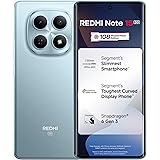
REDMI Note 15 5G (Glacier Blue, 8GB RAM 256GB Storage) | 108MP OIS Camera | Snapdragon 6 Gen 3 | 17.2cm Tough Curved AMOLED Screen | Segment’s Slimmest Phone | 5520mAh Si/C Battery | 45W Fast Charging
₹24,998.00 (as of March 26, 2026 22:52 GMT +05:30 - More infoProduct prices and availability are accurate as of the date/time indicated and are subject to change. Any price and availability information displayed on [relevant Amazon Site(s), as applicable] at the time of purchase will apply to the purchase of this product.)
Ambrane Magsafe Wireless 10000Mah Fast Charging USB Type-C Input Power Bank, Strong Magnet, 22.5W Output For iPhone 12 & Above, Android & Other Qi Enabled Devices + Magnetic Ring (Aerosync Snap, Blue)
₹1,499.00 (as of March 26, 2026 22:52 GMT +05:30 - More infoProduct prices and availability are accurate as of the date/time indicated and are subject to change. Any price and availability information displayed on [relevant Amazon Site(s), as applicable] at the time of purchase will apply to the purchase of this product.)
realme P4X Smartphone 6.72 inch 144Hz Display 7000mAh Titan Bettery 45W Fast Charge 6GB RAM 128GB ROM Dimensity 7400 Ultra 5G Chipset IP64 Waterproof Dual SIM (Matte Sliver)
₹16,668.00 (as of March 26, 2026 22:52 GMT +05:30 - More infoProduct prices and availability are accurate as of the date/time indicated and are subject to change. Any price and availability information displayed on [relevant Amazon Site(s), as applicable] at the time of purchase will apply to the purchase of this product.)
Samsung Galaxy M17 5G Mobile (Sapphire Black, 6GB RAM, 128GB Storage) | 50MP OIS Triple Camera | Gorilla Glass Victus | IP54 | 6 Gen OS Upgrades | AI | Gemini Live | Lag-Free Gaming | Without Charger
₹15,499.00 (as of March 26, 2026 22:52 GMT +05:30 - More infoProduct prices and availability are accurate as of the date/time indicated and are subject to change. Any price and availability information displayed on [relevant Amazon Site(s), as applicable] at the time of purchase will apply to the purchase of this product.)